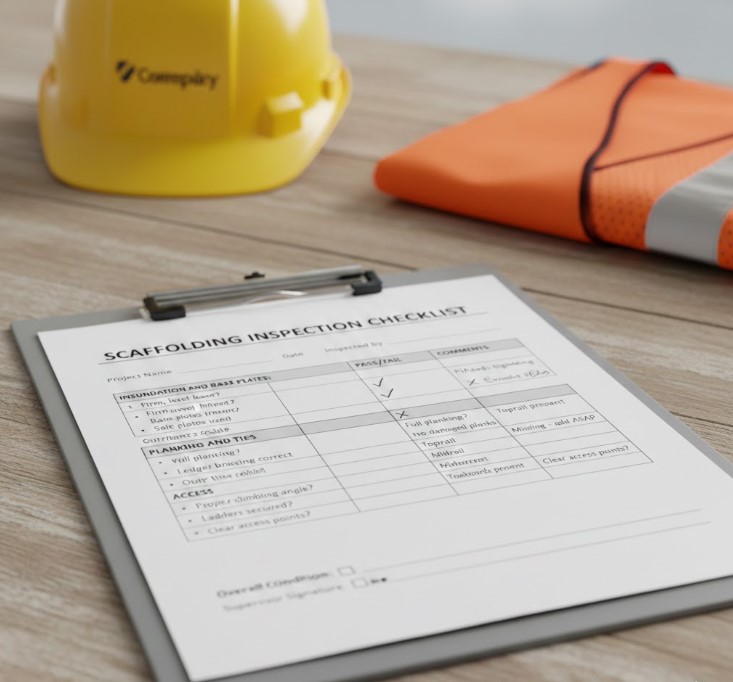
Working at height is one of the highest-risk activities on any construction or maintenance site, which is why scaffolding must never be used without proper inspection. A scaffolding inspection checklist is not just a safety form, it’s a structured verification process that confirms whether a scaffold system is stable, compliant, and safe for workers, tools, and materials.
For contractors, project managers, safety officers, and buyers sourcing scaffold systems, knowing what to inspect helps prevent accidents, project delays, and legal liabilities. It also ensures the equipment you purchase or rent meets professional standards and industry regulations.
What Is a Scaffolding Inspection Checklist?
A scaffolding inspection checklist is a step-by-step evaluation used to assess scaffold components, structural stability, load capacity, and safety systems before use. It’s typically conducted by a competent person trained in scaffold safety standards such as OSHA, EN, or local construction authority regulations.
Instead of relying on visual guesses, inspectors use a checklist to verify each part of the scaffold system meets safety requirements.
Why Scaffold Inspection Is Essential
Scaffolding failures rarely happen randomly. Most incidents occur because of:
- Improper assembly
- Worn or damaged components
- Unstable ground
- Overloaded platforms
- Missing safety protections
Inspection identifies these risks early. In professional construction environments, inspections are required before each shift and after any modification or severe weather event.
To minimize risks, it is always recommended to source scaffolding from trusted scaffoldings suppliers who provide certified systems designed for safety, compliance, and long-term durability.
Step-by-Step Scaffolding Safety Inspection Checklist
1. Ground and Foundation Stability
The safety of any scaffold begins at ground level because the base supports the entire structure and load above it. Even a perfectly assembled scaffold can fail if the surface underneath is unstable or uneven. Inspecting the foundation ensures the structure remains level, balanced, and capable of carrying weight safely.
Check for:
- Level and compact ground surface
- Proper base plates or sole boards installed
- No loose soil, mud, or standing water
- Adequate load-bearing capacity of surface
- No underground voids or soft spots
A stable foundation distributes weight evenly and prevents tilting, sinking, or sudden structural shifts during use.
2. Frames, Standards, and Structural Parts
Structural components act as the backbone of the scaffold system, transferring loads from platforms to the ground. Any weakness in these parts directly affects overall stability and safety. A careful inspection helps detect early signs of damage that could compromise performance.
Check for:
- Straight, undamaged vertical standards
- No cracks, bends, or corrosion
- Tight frame connections
- Proper alignment of all structural members
- No missing structural components
Well-maintained structural parts ensure the scaffold maintains its rated load capacity and remains stable throughout operation.
3. Bracing and Connectors
Bracing systems are responsible for keeping scaffolds rigid and preventing side-to-side movement. Without proper bracing, even a strong frame can become unstable under normal working loads. Inspecting connectors ensures all parts are secured as designed.
Check for:
- All cross braces installed correctly
- Locking pins and clips secured
- Tight couplers and joints
- No missing or loose connectors
- Properly aligned brace angles
Secure bracing distributes forces evenly and protects the scaffold from swaying, shifting, or collapsing.
4. Platforms and Working Decks
Platforms are the primary working surface where personnel stand and tools are placed. Because they carry direct load, their condition must always be verified before use. Damaged or improperly placed platforms can create slip hazards or structural failures.
Check for:
- Strong, intact planks or steel decks
- Non-slip surface condition
- Proper plank overlap and spacing
- No cracks, warping, or rot
- Visible load rating markings
Reliable platforms provide safe footing, maintain balance, and ensure workers can operate confidently at height. For scaffolds designed for durability and heavy-duty applications, products like AFTON Aluminum Scaffolding – Double Width Mobile Tower provide strong, safe, and compliant platforms for construction sites.
5. Guardrails and Fall Protection
Fall protection is one of the most critical safety requirements when working on elevated platforms. Guardrails act as a physical barrier preventing accidental falls, while additional systems may be required depending on height and regulations. Inspection confirms these protections are installed and secure.
Check for:
- Top rails at correct height
- Mid-rails properly fixed
- Toe boards installed
- Secure fastening of rails
- Personal fall arrest systems when required
Proper fall protection significantly reduces injury risk and ensures compliance with workplace safety standards. Using robust scaffolding systems like AFTON H-Frame Steel Scaffolding ensures that guardrails and attachments meet safety standards.
6. Safe Access Points
Safe access ensures workers can reach scaffold platforms without climbing frames or using unsafe methods. Proper entry and exit routes reduce fall risk and improve workflow efficiency. Every scaffold must include a designated access system.
Check for:
- Securely attached ladders or stair towers
- Clear and unobstructed entry paths
- Ladder extending above platform level
- Non-slip ladder rungs
- Stable ladder positioning
A safe access system allows workers to move confidently and prevents accidents during ascent or descent.
7. Load Capacity and Labeling
Every scaffold is engineered with a specific load limit determined by design and material strength. Exceeding this limit stresses components and increases collapse risk. Verifying load information ensures the scaffold is used within safe operating conditions.
Check for:
- Clearly visible load rating labels
- Manufacturer specifications available
- Worker and material limits displayed
- Even distribution of materials
- No signs of overloading
Confirming load capacity protects both workers and equipment while maintaining structural reliability.
8. Scaffold Tagging System
Inspection tags communicate scaffold status instantly to everyone on site. These tags are part of professional safety management systems and prevent workers from unknowingly using unsafe structures. Reviewing the tag is often the final verification step before use.
Check for:
- Clearly visible inspection tag
- Correct color status indicator
- Inspector name and date
- Notes on restrictions if any
- Tag securely attached
A properly updated tag confirms the scaffold has been inspected and approved, making it safe for operational use.
9. Documentation and Compliance Verification
Inspection is not only a physical check; it also involves verifying that all required documents, certifications, and approvals are in place. Proper documentation proves the scaffold meets regulatory standards and has been inspected by authorized personnel.
Check for:
- Inspection reports signed by a competent person
- Manufacturer manuals and assembly guides
- Load rating certification documents
- Compliance with OSHA / EN / local safety standards
- Maintenance and repair history records
- Training records of scaffold users
Accurate documentation ensures traceability, legal compliance, and accountability, while also giving contractors and safety officers confidence that the scaffold meets professional safety requirements.
How Often Should Scaffolding Inspections Be Done?
Scaffolding inspections must be carried out at regular intervals to maintain safety, structural stability, and regulatory compliance throughout the project. They should always be completed before first use, at the start of every work shift, and immediately after any modification, repair, severe weather event, or unexpected impact that could affect structural integrity.
Routine inspection scheduling ensures that damage, loosened components, or load stress is detected early before it becomes a hazard. Consistent checks not only protect workers but also help contractors meet safety standards, avoid legal risks, and ensure scaffolding systems remain reliable during the entire construction process.
FAQs
What are the essential checks before using a scaffold?
Check ground stability, frames, platforms, guardrails, access points, load capacity, and inspection tags. Ensure components are intact and secure.
What is the basic scaffold inspection checklist?
A basic checklist covers foundation, frames, braces, platforms, guardrails, access, load ratings, tagging, and documentation. Each step ensures the scaffold is safe and compliant.
What to look for when inspecting scaffolding?
Look for damaged frames, missing braces, unstable platforms, improper guardrails, unsafe access, overloaded decks, and proper documentation. These confirm safety and compliance.
When inspecting scaffolding, what are 10 things you should address?
Check foundation, frames, braces, platforms, guardrails, access points, load capacity, tags, documentation, and site conditions. These ten points cover critical safety aspects.
Conclusion
Proper scaffolding inspection ensures worker safety, project efficiency, and regulatory compliance. Following a checklist covering foundation, structure, platforms, guardrails, access, load capacity, and documentation prevents accidents and keeps scaffolds reliable.
For contractors and businesses in UAE that value safety, efficiency, and dependable performance on every site, Abul Fazl Trading is a trusted source for premium scaffolding solutions, offering systems built to meet international standards and real-world demands.
Contact our scaffolding specialists to select the scaffolding system that best fits your operational needs.
Essential Guides for Safe and Efficient Scaffolding
- What Is Scaffolding? Types, Uses, and Safety Requirements: A complete guide on scaffolding, its types, uses & safety requirements.
- Steel vs Aluminium Scaffolding: Which One to Choose?: Compare strength, weight, and durability to pick the right scaffold.
- Guide to Scaffold Use in the Construction Industry in UAE: Explains approved usage practices, safety compliance, and on site regulations in the UAE.
- How to Choose the Right Scaffolding System in UAE: Helps buyers select the correct scaffolding based on project needs and load conditions.
- Benefits of AFTON Made in UAE Ladders Explained: Highlights the safety, durability, and performance advantages of locally manufactured ladders.