Choosing the right scaffolding system directly impacts worker safety, project efficiency, and total construction cost. Contractors, facility managers, and industrial buyers often face the same question when planning access solutions for projects of any scale.
This guide compares steel scaffolding and aluminium scaffolding using real world applications, structural performance data, and buyer focused considerations. The goal is to help you make an informed, compliant, and cost effective decision.
Understanding Scaffolding Systems in Modern Construction
Scaffolding is a temporary access structure designed to support workers, tools, and materials at height. It is widely used in construction, industrial maintenance, infrastructure repair, and commercial building projects. Discover the different scaffolding systems, their applications, and essential safety guidelines in scaffolding types, uses, and safety requirements.
The two most commonly specified materials are steel scaffolding and aluminium scaffolding, each engineered for different load conditions, environments, and usage cycles.
Steel Scaffolding: Strength and Stability
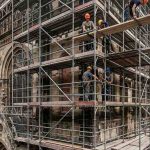
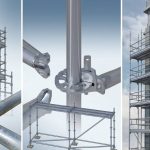
Steel scaffolding is made from high-grade carbon or alloy steel. It is a preferred choice for heavy-duty construction projects due to its robustness.
Key Advantages of Steel Scaffolding
- High Load Bearing Capacity
Steel scaffolding supports heavy tools, construction materials, and multiple workers without compromising structural safety.
- Superior Structural Stability
The weight and rigidity of steel provide excellent stability for tall structures and long span installations.
- Long Service Life
Steel systems are designed for repeated use over many years, reducing replacement and lifecycle costs.
- Suitable for Large Scale Projects
Ideal for high rise buildings, industrial plants, refineries, and infrastructure projects.
- Compatibility with Multiple Systems
Works seamlessly with tube and clamp, system scaffolding, and frame scaffolding configurations.
- Proven Compliance with Safety Standards
Commonly manufactured to meet international load and safety certifications required on major projects.
Where Steel Scaffolding Performs Best
Steel scaffolding is ideal for high-rise buildings, industrial plants, and long-term installations. Its weight provides stability but reduces portability. Buyers should consider supplier warranty, after-sales support, and local availability when selecting steel scaffolding.
Additionally, for those looking for robust options, AFTON H-Frame steel scaffolding is widely used in UAE construction projects.
Aluminium Scaffolding: Lightweight and Portable
Aluminium scaffolding is made from high-strength aluminium alloys, offering a lightweight alternative to steel.
Key Advantages of Aluminium Scaffolding
- Lightweight and Easy to Handle
Aluminium scaffolding can be carried, assembled, and repositioned quickly with minimal manpower.
- Faster Assembly and Dismantling
Reduces labor time and improves productivity on short duration or multi location projects.
- Natural Corrosion Resistance
Performs well in outdoor and humid environments without additional surface treatment.
- Ideal for Frequent Relocation
Best suited for maintenance, inspection, and interior work where mobility is essential.
- Lower Maintenance Requirements
Requires minimal upkeep compared to steel, reducing ongoing maintenance costs.
- Safer Handling for Indoor Use
Lightweight construction reduces manual handling risks in confined or indoor spaces.
Where Aluminium Scaffolding Performs Best
Aluminium scaffolding is favored for projects that require frequent relocation or rapid setup. Its load capacity is lower than steel, so evaluating project weight requirements is essential. For compact and highly mobile access solutions, buyers can explore AFTON aluminium single width tower scaffolding for safe, easy-to-move platforms on site.
Factors to Consider When Choosing Scaffolding Material
1. Project Scale and Load Requirements
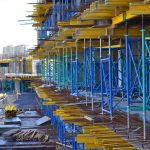
Large scale construction projects, industrial shutdowns, and heavy equipment installations typically require steel scaffolding due to higher load ratings and structural rigidity.
Smaller projects such as building maintenance, interior finishing, and light repair work are better suited for aluminium scaffolding.
2. Mobility and Assembly
Aluminium scaffolding is easier to transport, assemble, and dismantle. It is ideal for projects requiring frequent movement or rapid deployment.
Steel scaffolding often requires mechanical lifting equipment and longer assembly time, which is acceptable for fixed or long term installations.
3. Durability and Maintenance
Steel scaffolding offers exceptional durability but requires corrosion protection in humid or coastal environments.
Aluminium scaffolding naturally resists corrosion, making it suitable for outdoor use without additional coatings.
4. Cost and Supplier Support
Steel scaffolding generally has a higher upfront cost but delivers better long term value due to extended lifespan.
Aluminium scaffolding may have lower initial cost but shorter service life under heavy use.
To ensure safety and reliability, buyers should work with trusted scaffolding suppliers in UAE who provide technical documentation, certifications, warranties, and strong post-sale support.
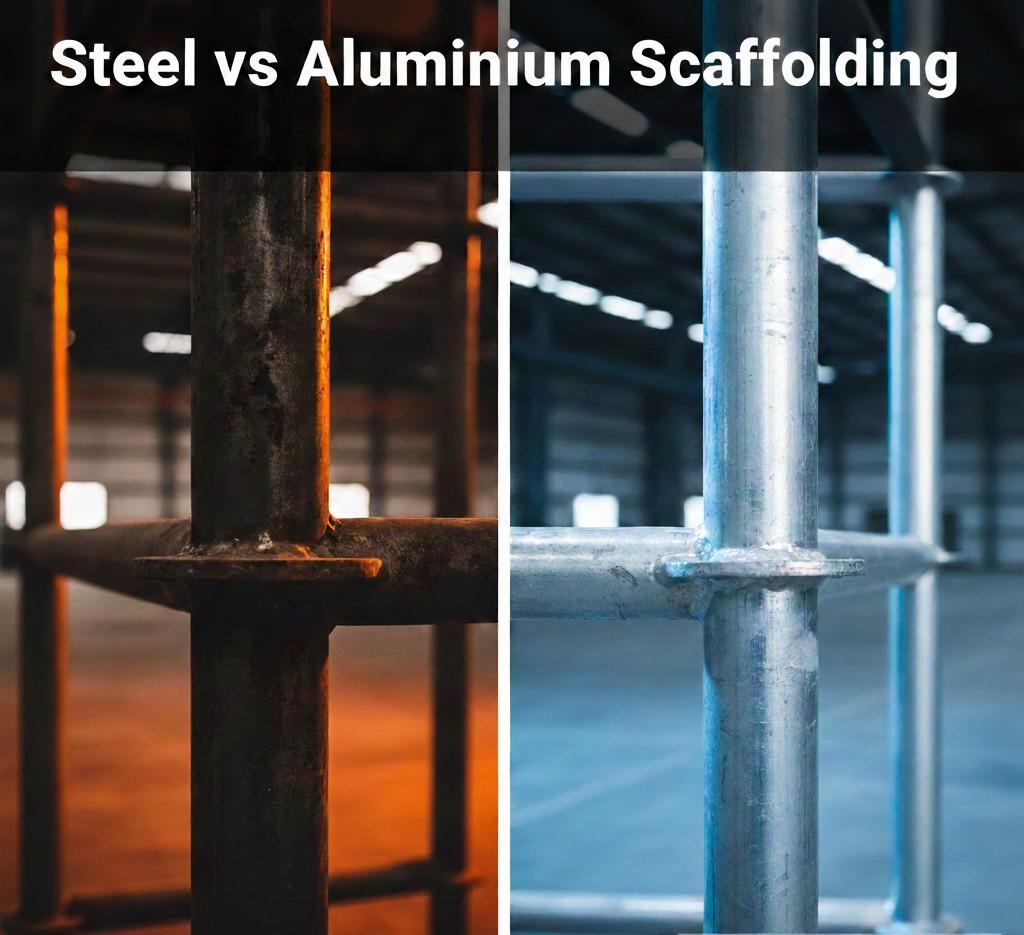
Steel vs Aluminium Scaffolding Comparison
| Feature | Steel Scaffolding | Aluminium Scaffolding |
|---|---|---|
| Weight | Heavy | Light |
| Load Capacity | High | Medium |
| Corrosion Resistance | Requires coating | Naturally resistant |
| Portability | Low | High |
| Maintenance | Medium | Low |
| Lifespan | Long | Medium |
Types of Steel and Aluminium Scaffolding
Steel Scaffolding Types
- Tube and clamp scaffolding offers maximum flexibility for complex structures.
- System scaffolding provides modular speed and standardized safety.
- Frame scaffolding is widely used for straightforward building facades.
Aluminium Scaffolding Types
- Modular aluminium systems for adjustable access solutions.
- Mobile aluminium towers for indoor and facility maintenance.
- Folding aluminium scaffolds for compact storage and transport.
Suppliers often provide customization options, including platforms, guardrails, and braces. Checking for ISO certification or compliance with local construction safety standards is recommended.
FAQs
Which is better steel or aluminium scaffolding?
Steel scaffolding is better for heavy load and long term projects, while aluminium scaffolding is ideal for lightweight, mobile, and short duration work.
Is aluminium scaffolding safe for construction use?
Yes, aluminium scaffolding is safe when used within its load limits and is commonly used for maintenance, inspection, and light construction tasks.
What is the lifespan of steel scaffolding?
Steel scaffolding can last for many years with proper maintenance, corrosion protection, and correct handling across multiple projects.
Which scaffolding is more cost effective?
Steel scaffolding offers better long term value for large projects, while aluminium scaffolding reduces labor and transport costs for smaller or mobile jobs.
Conclusion
Choosing between steel and aluminium scaffolding depends on how well the system aligns with your project requirements, working environment, and long term usage plans. Steel scaffolding delivers unmatched strength, stability, and durability for heavy duty construction and industrial applications. Aluminium scaffolding offers speed, portability, and corrosion resistance, making it ideal for maintenance, inspection, and short duration projects.
A well informed decision considers load capacity, mobility needs, safety compliance, and supplier support rather than price alone.
For contractors and businesses that prioritize safety, efficiency, and proven performance on every site, Abul Fazl Trading supplies high quality scaffolding solutions engineered for real world conditions, regulatory compliance, and long term reliability.
Contact our professional consultants today to receive expert guidance and select the scaffolding system that best fits your operational needs.
Explore More Industry Guides
Explore expert insights on construction tools, industrial equipment, and proven techniques to improve efficiency and overall performance.
- Guide to Scaffold Use in the Construction Industry in UAE: Explains approved usage practices, safety compliance, and on site regulations in the UAE.
- How to Choose the Right Scaffolding System in UAE: Helps buyers select the correct scaffolding based on project needs and load conditions.
- Benefits of AFTON Made in UAE Ladders Explained: Highlights the safety, durability, and performance advantages of locally manufactured ladders.
- Common Ladder Mistakes Causing Workplace Accidents: Identifies common ladder errors that lead to workplace accidents and injuries.
- Afton Steel vs Traditional Formwork: Which Saves Time?: Compares modern and traditional formwork systems for faster, more efficient construction.