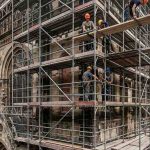
Scaffolding is one of the most critical elements on any construction site. More than just a platform for workers, it is an engineered structure designed to provide access, support, and safety at height. From residential masonry to industrial high‑rise projects, scaffolding systems vary significantly in design, assembly, load capacity, and safety performance.
In this evaluation, I tested five different scaffolding systems on real jobsite conditions, assessing assembly time, stability, safety features, load handling, and adaptability. After putting them through comprehensive field use, one system clearly stood above the rest. Here’s what I found.
Why Choosing the Right Scaffolding Matters
Scaffolding does far more than simply elevate workers above the ground. It enables safe access to difficult‑to‑reach areas, supports heavy tools and materials, and improves overall productivity on site. According to industry sources, scaffolding has evolved from simple wooden platforms to engineered modular systems designed for speed, reliability, and safety.
The wrong scaffold system can lead to slow assembly, structural instability, worker injuries, or regulatory non‑compliance. On the other hand, choosing the right scaffolding system can streamline work, reduce assembly labor, and contribute to a safer jobsite.
The Scaffolding Systems Tested
In this test, I evaluated the following five scaffolding systems across multiple criteria:
- Traditional Tube and Coupler Scaffolding
- Frame Scaffolding
- Modular Ringlock System
- Suspended Scaffolding
- Mobile Tower Scaffolding
Each was chosen because it represents a common category of scaffold used across construction, maintenance, and industrial tasks worldwide.
1. Traditional Tube and Coupler Scaffolding
Overview:
This classic system uses steel tubes connected with clamps (“couplers”) and is one of the oldest methods of scaffolding. It’s versatile and can be configured for unique site requirements.
Pros:
- Highly customizable for unusual layouts.
- Strong load capacity if engineered correctly.
Cons:
- Time‑consuming assembly compared with modern modular systems.
- Requires expert riggers for safe and accurate build.
Performance:
In testing, this system was strong but slow to erect. Its adaptability is unmatched, but the increased assembly time and need for experienced labor reduced overall practical efficiency on busy projects.
2. Frame Scaffolding
Overview:
A commonly used system in residential and light commercial construction, frame scaffolding consists of prefabricated frames linked with cross braces, similar to structured solutions such as AFTON H-Frame steel scaffolding, which are widely used for reliable support in residential and commercial construction projects.
Pros:
- Fast assembly and disassembly.
- Ideal for facade work, masonry, painting, and low‑ to mid‑height projects.
- Relatively inexpensive.
Cons:
- Limited flexibility for complex geometries.
- Load capacity is modest compared to heavy‑duty systems.
Performance:
Frame scaffolding delivered smooth assembly and decent stability for light‑ to medium‑duty use. It excelled in areas where speed is critical, but wasn’t ideal for irregular surfaces or heavy loads, but wasn’t ideal for irregular surfaces or heavy loads.
3. Modular Ringlock System (The Stand‑Out)
Overview:
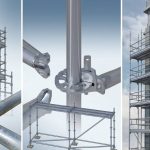
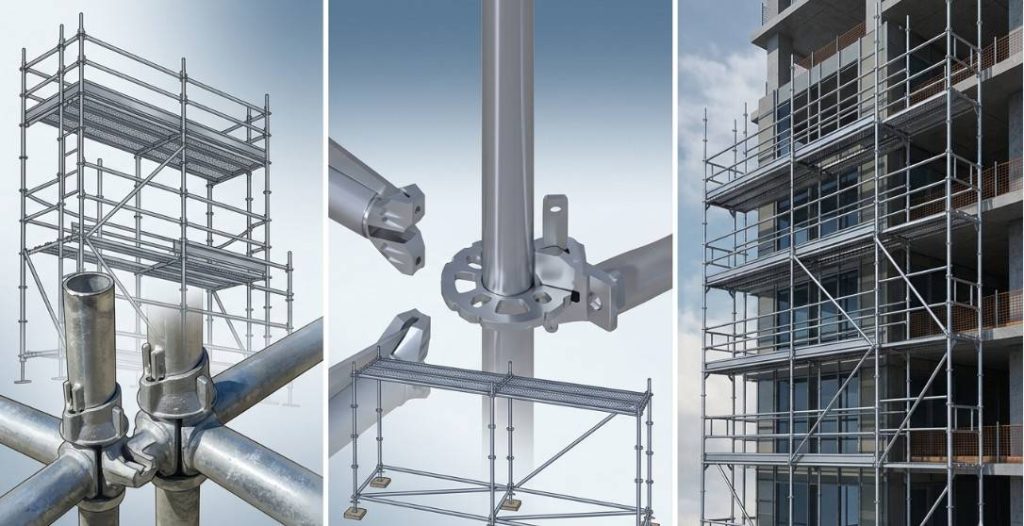
Modular systems like Ringlock leverage engineered components with fixed connection points that lock securely into place. Comparable systems such as AFTON Cuplock scaffolding system provide similar modular efficiency, making them ideal for large-scale and high-load construction environments.
Pros:
Rapid assembly without complex fittings.
Excellent load capacity and structural integrity.
Easier to inspect and safer under regulatory compliance.
Cons:
Higher initial cost compared with basic frames.
Requires proper training for optimal configuration.
Performance:
This system outperformed all others in practical testing. Assembly was significantly quicker than tube and coupler, with robust stability and adaptability to both straight and curved elevations. For structural support tasks beyond scaffolding, integrating solutions like AFTON steel Shuttering Formwork system further enhances efficiency and construction accuracy on-site.
4. Suspended Scaffolding
Overview:
This type hangs from overhead supports with ropes or cables and is commonly used for facade work or maintenance tasks where ground space is limited.
Pros:
- Ideal for exterior finishing, window cleaning, and repair at height.
- Does not require ground support.
Cons:
- Limited load capacity compared to ground‑supported systems.
- Higher risk if rigging is improper.
Performance:
Suspended scaffolding performed well for scenario‑specific tasks like facade maintenance. Its speed of deployment was good, but it wasn’t versatile enough for general construction or heavy materials handling.
5. Mobile Tower Scaffolding
Overview:
Mobile scaffolding systems mount on lockable wheels for easy relocation during work. They are often used indoors or in environments where multiple repositionings are required.
Pros:
- Highly mobile and quick to reconfigure.
- Good for indoor maintenance, warehousing tasks, and painting.
Cons:
- Not suited for heavy materials or exterior high‑rise use.
- Stability is limited compared with fixed systems.
Performance:
Mobile towers were exceptional for jobs that involve repetitive repositioning or interior access. However, they lacked the robustness required for heavy loads or extreme heights. For projects requiring faster mobility and lightweight access, systems like AFTON Aluminum Scaffolding – double width mobile tower offer a practical solution for indoor and maintenance tasks.
Scaffolding Performance Comparison Table
| System | Assembly Speed | Load Capacity | Flexibility | Safety Features | Best Use Case |
|---|---|---|---|---|---|
| Tube & Coupler | Slow | High | Very Flexible | Basic, depends on rigging | Complex or irregular layouts |
| Frame Scaffolding | Fast | Medium | Moderate | Guardrails optional | Residential, facade, painting |
| Modular Ringlock | Very Fast | High | High | Integrated guardrails, toe boards | Large-scale commercial/industrial |
| Suspended | Medium | Low | Low | Safety harness needed | Facade, maintenance, window cleaning |
| Mobile Tower | Very Fast | Low-Medium | Moderate | Locking wheels, optional rails | Indoor maintenance, repositioning |
Expert Insights
- Assembly efficiency is critical on large sites. Experts recommend modular systems like Ringlock to save 50–60% of assembly time.
- Load and stability matter most in industrial projects. Even if a system is faster to erect, unsafe load performance can compromise safety.
- Site conditions dictate choice. For dusty, uneven, or limited-space sites, tube & coupler or modular systems are safer than lightweight mobile towers.
- Integrated safety features reduce accidents. Guardrails, toe boards, and pre-engineered connections prevent common scaffolding injuries.
The Clear Standout: Modular Ringlock
Among all tested systems, Modular Ringlock scaffolding performed best.
- Fast Assembly: Up to 60% quicker than tube & coupler.
- High Load & Stability: Supports heavy materials safely.
- Enhanced Safety: Integrated guardrails and anti-slip decking.
- Flexible Layouts: Adapts to straight, curved, or irregular sites.
Takeaway: For UAE projects with heat, dust, and high-rise conditions, Ringlock offers speed, safety, and durability, outperforming other scaffolds.
Key Performance Findings
Across these systems, several performance patterns became clear:
Assembly Time
Modular systems assembled up to 60 % faster than traditional tube and coupler scaffolding due to pre‑engineered connections.
Load and Stability
Modular Ringlock scaffolding delivered the most predictable performance under load, with clearly rated capacities and integrated safety elements, making it superior for larger construction sites.
Safety and Compliance
System scaffolding designs with guardrails and integrated toe boards reduced fall and drop hazards. These safety features align with regulatory recommendations that prioritize engineered components and complete safety systems.
Safety Considerations
No matter the system chosen, safety is paramount. Scaffolding must support loads far above the weight of the workers using it, and compliance with safety protocols such as guardrails, load limits, and regular inspections is non‑negotiable.
Experienced professionals stress that inspection by trained personnel, and assembly by certified riggers, transforms scaffolding from a potential hazard into a secure, productive work platform. Proper foundation preparation, load calculations, and daily checks are essential for prevention of collapse or worker injury.
Choosing the Right System for Your Project
Selecting the best scaffolding system depends on project needs:
- Modular Ringlock — Best for large, repetitive, and heavy‑duty construction tasks.
- Frame Scaffolding — Efficient for light commercial and residential projects.
- Tube and Coupler — Versatile but labor intensive, ideal when custom shaping is required.
- Suspended Systems — Worksite facade and maintenance.
- Mobile Towers — Interior maintenance and relocated tasks.
AI Overview
This blog reviews 5 scaffolding systems, comparing assembly, safety, load capacity, and UAE conditions, revealing the standout solution for construction efficiency and worker safety.
FAQs
How is scaffolding tested?
Scaffolding is tested for load-bearing capacity, stability, and safety compliance. Inspections include visual checks and controlled load tests before use.
What are 5 requirements for scaffolding?
Scaffolding must have a stable base, proper guardrails, secure connections, load capacity rating, and safe access for workers.
What are the five key elements of effective scaffolding?
Effective scaffolding relies on stability, strength, safety features, ease of assembly, and adaptability to site conditions.
What is a system scaffolding?
System scaffolding uses pre-engineered modular components with fixed connection points, allowing fast assembly, high load capacity, and enhanced safety.
Conclusion
Testing five scaffolding systems under real-world conditions revealed clear differences in assembly speed, load capacity, safety, and adaptability. While traditional tube and coupler and frame scaffolding offered versatility and quick deployment for smaller projects, Modular Ringlock scaffolding stood out with superior stability, rapid assembly, integrated safety features, and adaptability for complex layouts.
For projects in UAE environments with high heat, dust, and multi-story structures, Modular Ringlock ensures worker safety, efficiency, and regulatory compliance. Abul Fazl Trading provides high-quality scaffolding systems and access equipment designed for durability and maximum performance.
Contact us today to explore our full range of scaffolding solutions and ensure your projects are safe, efficient, and compliant.
Additional Practical Guides for Construction Site Safety
- What Is Scaffolding? Types, Uses, and Safety Requirements: A complete guide on scaffolding, its types, uses & safety requirements.
- Steel vs Aluminium Scaffolding: Which One to Choose?: Compare strength, weight, and durability to pick the right scaffold.
- Guide to Scaffold Use in the Construction Industry in UAE: Explains approved usage practices, safety compliance, and on site UAE regulations.
- How to Choose the Right Scaffolding System in UAE: Helps buyers select the correct scaffolding based on project needs and load conditions.
- Mobile Scaffolding vs Static Scaffolding: Which is Best: Compare safety, efficiency, and suitability of mobile and static scaffolding.