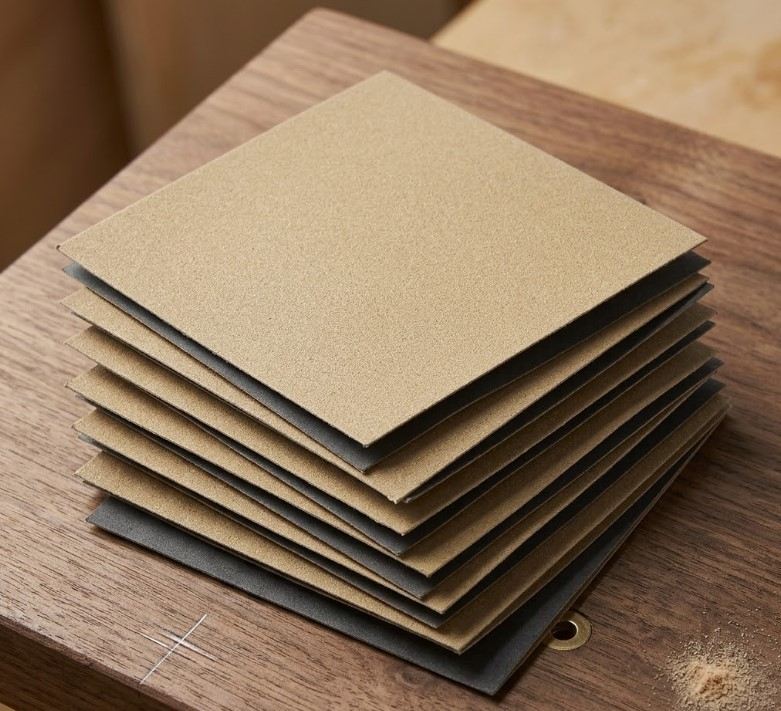
Abrasive paper, commonly called sandpaper, is an essential finishing material used to smooth, shape, clean, and prepare different surfaces. It is widely used in woodworking, metalworking, automotive refinishing, furniture production, construction, maintenance, and other professional applications.
Although abrasive paper may look like a simple product, different grades and types are designed for different jobs. The abrasive grain, grit size, backing material, and application all influence how quickly the paper removes material and what type of finish it produces.
Whether you need abrasive paper for metal, wood, automotive work, or general surface preparation, understanding these differences can help you choose the right product and achieve a consistent finish.
What Is Abrasive Paper?
Abrasive paper is a flexible sheet or roll coated with abrasive grains that remove small amounts of material through friction. The abrasive particles are attached to a backing material using a bonding system that helps maintain the cutting surface during use.
Modern abrasive products typically use engineered minerals rather than natural sand. Common abrasive grains include aluminium oxide, silicon carbide, zirconia alumina, ceramic, and garnet.
Each grain has different characteristics. Some are suitable for general-purpose sanding, while others are designed for aggressive material removal, wet sanding, or fine surface finishing.
Types of Abrasive Paper
Aluminium Oxide Abrasive Paper
Aluminium oxide is one of the most versatile abrasive grains available. It offers a useful balance between cutting performance, durability, and cost.
It is commonly used for:
- Wood sanding
- General metal finishing
- Paint preparation
- Furniture finishing
- Surface smoothing
AFTON products include aluminium oxide solutions designed for applications where reliable cutting performance and durability are important.
Silicon Carbide Abrasive Paper
Silicon carbide has a sharp cutting action and is commonly selected when a smooth and controlled finish is required. It is particularly useful for wet sanding and fine finishing.
Typical applications include:
- Automotive refinishing
- Fine metal finishing
- Wet sanding
- Glass and stone finishing
- Plastic and composite surfaces
Waterproof silicon carbide abrasive paper can be used with water to help control dust and remove sanding residue during the process.
Zirconia Alumina Abrasive Paper
Zirconia alumina is designed for applications that require aggressive cutting and good abrasive durability. It is commonly used in metalworking and fabrication.
It can be suitable for stainless steel, weld areas, and heavier material removal where a more durable abrasive is required.
Ceramic Abrasive Paper
Ceramic abrasive grains are engineered for demanding professional and industrial applications. They can provide strong cutting performance and good abrasive life under suitable working conditions.
Ceramic abrasives are generally considered when productivity, consistent cutting, and performance on harder materials are important.
Garnet Abrasive Paper
Garnet is a natural abrasive mineral commonly associated with woodworking and finishing. It can produce a smooth finish on wood and is useful where final surface appearance is a priority.
Understanding Abrasive Paper Grit
Grit refers to the relative coarseness or fineness of an abrasive. Lower grit numbers generally indicate coarser abrasives, while higher numbers indicate finer abrasives.
| Grit Range | Typical Application |
| 40 to 60 | Heavy material removal and shaping |
| 80 to 120 | Smoothing and leveling |
| 150 to 220 | Surface preparation |
| 240 to 320 | Fine finishing |
| 400 and above | Detailed finishing and polishing |
The correct grit depends on the material and the required result. Coarse abrasive paper is useful when substantial material needs to be removed, while finer grades are used to refine the surface and reduce visible sanding marks.
For many applications, it is better to progress through grit sizes gradually. Starting with a suitable coarse grade and moving toward finer grades can produce a more consistent finish.
Abrasive Paper Backing Materials
The backing supports the abrasive grains and influences flexibility, strength, and durability.
Paper Backing
Paper-backed abrasive products are lightweight and flexible. They are commonly used for hand sanding, woodworking, paint preparation, and general finishing.
Cloth Backing
Cloth-backed abrasives provide greater strength and flexibility. They can be suitable for demanding applications and machine sanding where the abrasive experiences greater mechanical stress.
Film Backing
Film-backed abrasive paper has a smooth and consistent backing surface. It can be useful where uniform contact and controlled finishing are important, including certain automotive and precision finishing applications.
What Is Abrasive Paper Used For?
Abrasive paper can be adapted to many industries by matching the abrasive grain and grit to the material.
Woodworking and Furniture
Abrasive paper is used to smooth timber, furniture, cabinets, doors, plywood, and other wood products. Coarser grades can help remove imperfections, while finer grades prepare surfaces for paint, stain, varnish, or other finishes.
Metalworking
In metalworking, abrasive paper can remove light rust, burrs, scratches, oxidation, and surface imperfections. The appropriate abrasive depends on the type of metal and the required finish.
For harder metals and demanding fabrication work, more durable abrasive grains may be preferred.
Automotive Refinishing
Abrasive paper is widely used during vehicle refinishing for body preparation, primer sanding, paint preparation, smoothing, and wet sanding.
Automotive applications often require several grit levels because the surface needs to be progressively refined before painting or polishing.
Construction and Maintenance
Abrasive paper can be used for smoothing filler, preparing painted surfaces, finishing woodwork, and handling general renovation and maintenance tasks.
Plastic, Glass, and Composite Materials
Fine abrasive products can be used on selected plastics, composites, glass, and other sensitive materials. These applications require careful grit selection and controlled pressure to avoid unnecessary surface damage.
How to Choose the Right Abrasive Paper
Choosing abrasive paper should start with the application rather than simply looking at price or grit.
1. Identify the Material
Determine whether you are working with wood, steel, stainless steel, aluminium, plastic, glass, automotive paint, or another surface.
Different materials require different levels of abrasive cutting action.
2. Determine the Desired Finish
Decide whether you need heavy material removal, smoothing, paint preparation, or final finishing.
A coarse abrasive may be appropriate for initial work, while finer grades are better for creating a smooth surface.
3. Select the Abrasive Grain
Aluminium oxide is versatile for general-purpose applications. Silicon carbide is useful for fine finishing and wet sanding, while zirconia alumina and ceramic can be considered for more demanding applications.
4. Choose the Right Backing
Paper backing is useful for many hand-sanding tasks. Cloth backing can provide greater strength, while film backing can offer consistent contact for precision finishing.
5. Consider Wet or Dry Sanding
If the process involves water, select an abrasive specifically designed for wet sanding. Waterproof abrasive paper is commonly used for automotive refinishing and other fine-finishing applications.
6. Match the Product Format
Abrasive products are available in sheets, rolls, discs, belts, and other formats. Sheets are convenient for hand sanding, while machine-compatible formats are designed for specific sanding equipment.
What Should You Look for When Buying Abrasive Paper?
The cheapest abrasive paper is not always the most economical option. A suitable product should provide the right balance of cutting performance, durability, finish quality, and application compatibility.
Before purchasing, check:
- Abrasive mineral
- Grit size
- Backing material
- Product format
- Material compatibility
- Wet or dry suitability
- Hand or machine application
- Required surface finish
- Expected workload
- Product availability
For professional and industrial users, consistency is particularly important. An abrasive that maintains predictable performance can help reduce rework, material waste, and unnecessary replacement.
When comparing abrasive paper suppliers in Dubai or UAE, businesses should look beyond price and evaluate product specifications, availability, application suitability, and the range of abrasive solutions offered.
For businesses looking for reliable abrasive solutions in Dubai and across the UAE, Abul Fazl Trading LLC offers access to established abrasive brands such as AFTON for different surface preparation and finishing requirements.
Abrasive Paper for Different Applications
The best abrasive paper depends heavily on what you are trying to accomplish.
- For woodworking, aluminium oxide and garnet products can be useful for shaping, smoothing, and finishing.
- For metalworking, aluminium oxide, zirconia alumina, and ceramic abrasives may be considered depending on the metal and level of material removal required.
- For automotive refinishing, silicon carbide and waterproof abrasives are commonly used for controlled surface preparation and wet sanding.
- For fine finishing, higher grit products can help reduce visible sanding marks and prepare surfaces for polishing, painting, or coating.
This application-based approach is more reliable than assuming that one abrasive type is suitable for every job.
FAQs
What is abrasive paper used for?
Abrasive paper is used for sanding, smoothing, shaping, surface preparation, rust removal, paint preparation, and finishing. It can be used on wood, metal, plastic, glass, automotive surfaces, and other materials.
Which abrasive paper is best for metal?
There is no single abrasive that is best for every metal application. Aluminium oxide is versatile for general metal finishing, silicon carbide can be useful for fine finishing, while zirconia and ceramic abrasives may be more suitable for demanding metalworking.
What grit abrasive paper should I use?
Coarse grits are generally used for heavier material removal, medium grits for smoothing and surface preparation, and fine grits for finishing and polishing. The appropriate grit depends on the material and desired result.
Can abrasive paper be used for wet sanding?
Yes, but the abrasive should be specifically designed for wet sanding. Waterproof silicon carbide abrasive paper is commonly used for automotive refinishing and fine surface finishing.
What is the difference between abrasive paper and sandpaper?
The terms are often used interchangeably. Sandpaper is the common term for abrasive paper, while modern products can use engineered minerals such as aluminium oxide and silicon carbide instead of natural sand.
Final Thoughts
Abrasive paper is a practical and versatile solution for sanding, surface preparation, smoothing, and finishing. The right product depends on factors such as abrasive grain, grit size, backing material, format, material, and application.
Whether you need abrasive paper for metalworking, woodworking, automotive refinishing, or general surface preparation, selecting the right product can improve finishing quality and overall efficiency.
Looking for the right abrasive paper in Dubai or across the UAE? Contact Abul Fazl today to discuss your requirements, product options, and suitable abrasive solutions for your application.