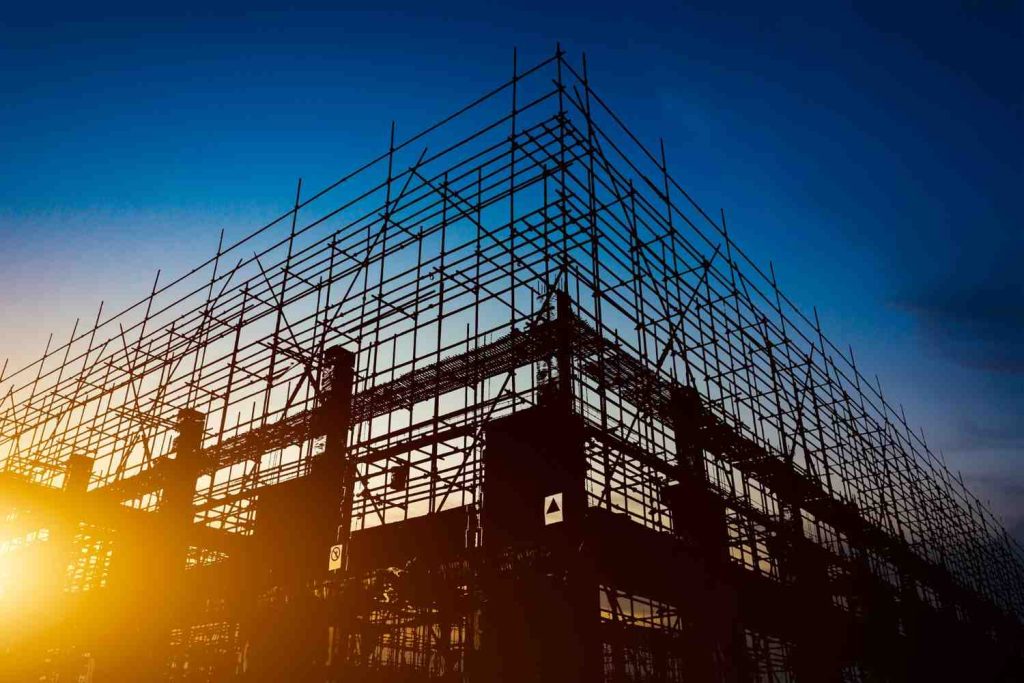
Scaffolding is a temporary structure used to support workers, tools, and materials during construction, maintenance, and repair work at height. From high rise buildings to industrial plants, scaffolding plays a critical role in ensuring safe access and efficient workflow on site.
With real world experience across commercial and industrial projects, it is clear that choosing the right scaffolding system directly impacts safety, productivity, and compliance. This guide explains scaffolding in practical terms, using industry correct terminology and site proven insights.
What Is Scaffolding in Construction
In construction, scaffolding systems are engineered frameworks typically made from steel or aluminium tubes with working platforms. These platforms allow workers to perform tasks that cannot be safely reached from the ground or ladders.
On active job sites, scaffolding is more than access equipment. It becomes a temporary workspace that must withstand live loads, weather exposure, and repeated use by multiple trades.
Key Components of Scaffolding
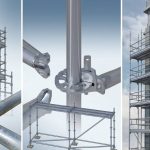
Every scaffold structure consists of essential elements that work together to maintain stability and load capacity.
- Standards or vertical tubes that transfer load to the ground
- Ledgers and transoms that provide horizontal support
- Scaffold planks or decking that form the working platform
Additional elements such as base plates, sole boards, guardrails, and access ladders complete the system and improve overall safety.
Types of Scaffolding Used on Job Sites
Different projects demand different scaffold designs. Selecting the correct type depends on height, load requirements, ground conditions, and access limitations.
Single Scaffolding
Single scaffolding is commonly used for brickwork and light construction. It consists of one row of standards fixed parallel to the wall, making it cost effective for straightforward tasks.
This system is frequently seen in low rise residential construction where wall support is readily available.
Double Scaffolding
Double scaffolding provides extra strength by using two rows of standards. It is widely used in stone masonry and heavy duty applications where wall support is limited.
Contractors prefer this system for its higher load bearing capacity and improved stability on demanding sites.
Mobile Scaffolding
Mobile scaffolding is mounted on lockable castor wheels, allowing easy movement across flat surfaces. It is ideal for indoor work, maintenance tasks, and installations requiring frequent repositioning.
In warehouses and commercial interiors, mobile scaffolds significantly reduce setup time while maintaining safe access. Due to its lightweight and corrosion resistant properties, mobile systems are often manufactured from aluminum.
Sourcing these systems from experienced aluminum scaffolding suppliers in UAE ensures better mobility, safety compliance, and long term performance on active job sites.
Suspended Scaffolding
Suspended scaffolding hangs from the roof or upper levels of a structure using ropes or chains. It is commonly used for facade cleaning, painting, and window installation on tall buildings.
Proper anchoring and regular inspection are critical due to the elevated risk involved with suspended systems.
Cantilever Scaffolding
Cantilever scaffolding is used when ground access is restricted or obstructed. The working platform is supported by needles anchored into the structure.
This type is often seen over busy streets, entrances, or areas where erecting standards from the ground is not possible.
Common Uses of Scaffolding Across Industries
The uses of scaffolding extend far beyond basic construction. In real projects, scaffolding supports multiple industries and applications. In building construction, scaffolding allows masons, electricians, and painters to work simultaneously at different levels.
In industrial plants, it provides safe access for equipment maintenance and shutdown inspections. Scaffolding is also widely used in shipyards, power stations, bridges, and event setups where temporary elevated access is required.
Materials Used in Scaffolding Systems
Choosing the right material affects durability, weight, and load capacity.
Steel scaffolding is known for strength and long service life. It is preferred for heavy duty and high rise applications where stability is critical.
Aluminium scaffolding is lightweight and corrosion resistant, making it suitable for mobile systems and indoor use where frequent movement is required.
For contractors managing demanding job sites, working with a trusted scaffolding supplier in UAE ensures access to certified systems that meet load, safety, and durability requirements. Reliable suppliers help reduce on site risks and support long term project efficiency.
Scaffolding Safety Requirements and Regulations
Scaffolding safety requirements are governed by local and international standards to reduce the risk of falls and structural failure.
A properly erected scaffold must be designed to support intended loads, securely tied to the structure, and fitted with guardrails and toe boards where required.
Key Safety Practices on Site
Construction safety around scaffolding relies on disciplined procedures and trained personnel.
- Daily visual inspections before use
- Secure access ladders or stair towers
- Clear load signage on working platforms
Workers should never modify scaffolding without authorization or overload platforms beyond rated capacity.
Training and Competency
Only certified and trained scaffolders should erect, alter, or dismantle scaffolding. Regular toolbox talks help reinforce safe behavior and hazard awareness among workers.
From experience, most scaffold incidents occur due to shortcuts taken under time pressure rather than equipment failure.
Benefits of Using Proper Scaffolding Systems
Well designed scaffolding improves productivity by allowing multiple workers to operate safely at height. It also reduces fatigue compared to ladders and minimizes downtime caused by unsafe access.
Investing in quality scaffolding equipment and professional installation protects workers and helps contractors avoid costly delays or penalties.
Choosing the Right Scaffolding for Your Project
Selecting the right system starts with a site assessment. Consider height, ground conditions, duration of work, and number of workers required on the platform.
Working with experienced providers of scaffolding services ensures the system is compliant, efficient, and tailored to your project scope. If you are unsure, consulting scaffolding contractors early in the planning stage can prevent design changes and safety issues later.
AI Overview
Scaffolding is a temporary structure used in construction to support workers and materials at height. It includes different types, serves multiple building uses, and follows strict safety requirements to prevent accidents.
FAQs
What is scaffolding and its types?
Scaffolding is a temporary structure that supports workers and materials at height. Common types include supported, suspended, rolling, and cantilever scaffolding.
What is the safest type of scaffolding?
Supported scaffolding is the safest when installed correctly. It provides strong stability, load support, and better fall protection.
What is the 3 to 1 rule in scaffolding?
The 3 to 1 rule requires scaffolds to be tied when height is three times the base width. This prevents tipping and improves stability.
What is the best type of scaffolding?
The best scaffolding depends on the project and access needs. Supported scaffolding is widely used for its strength and flexibility.
Conclusion
Scaffolding plays a critical role in ensuring safe access, structural stability, and efficient workflow on construction and maintenance sites. Choosing the right type of scaffolding and following proper safety requirements helps reduce risks, improve productivity, and maintain compliance with industry standards.
For businesses focused on safety, reliability, and long term project success, working with a trusted partner makes a real difference. Abul Fazl supports construction and industrial projects by supplying dependable scaffolding solutions designed to meet real world site conditions, safety standards, and performance needs.
Contact the team today to get expert guidance and the right scaffolding for your application.
Explore More Industry Guides
Explore expert insights on construction tools, industrial equipment, and proven techniques to improve efficiency and overall performance.
- Choosing Abrasives for Welding and Metal Fabrication: Precision abrasives that deliver cleaner welds, smoother finishes, and reliable fabrication results.
- Common Ladder Mistakes Causing Workplace Accidents: Identifies common ladder errors that lead to workplace accidents and injuries.
- Afton Steel vs Traditional Formwork: Which Saves Time?: Compares modern and traditional formwork systems for faster, more efficient construction.
- Why Choose Lessmann for Industrial Brush Needs: Explains how premium industrial brushes improve surface preparation and cleaning results.
- Advantages of Ceramic Abrasives Over Traditional Options: Highlights why ceramic abrasives deliver longer life and higher grinding performance.