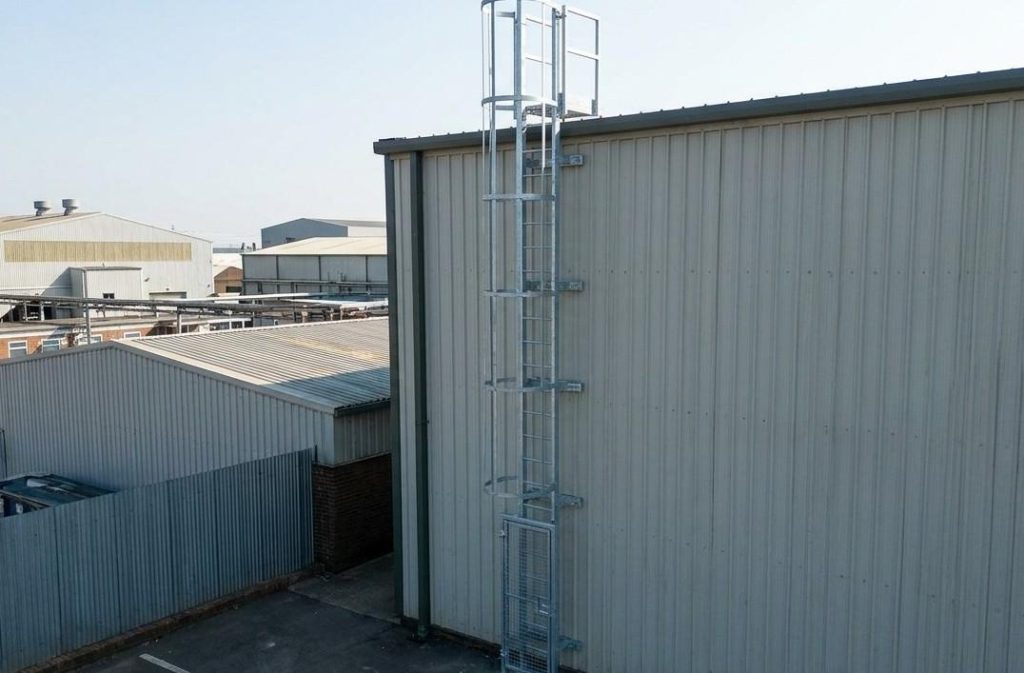
CAT ladders provide safe vertical access to rooftops, industrial facilities, warehouses, telecom towers, and other elevated work areas. Since these fixed ladders remain exposed to harsh weather and daily use, regular maintenance is essential to keep them safe and structurally sound.
Proper maintenance not only extends the lifespan of CAT ladders but also helps businesses comply with safety standards such as EN ISO 14122 and OSHA guidelines. A proactive maintenance plan reduces workplace risks, prevents costly repairs, and ensures reliable access for maintenance personnel.
Why CAT Ladder Maintenance Is Important
A well-maintained CAT ladder minimizes the risk of slips, structural failures, and workplace accidents. Routine inspections help identify minor defects before they become serious safety hazards.
Routine maintenance also prevents corrosion and extends the ladder’s service life. If replacement is needed, choose a trusted ladder supplier UAE for certified, reliable industrial access solutions.
Perform a Pre-Use Safety Check
Before climbing a CAT ladder, workers should carry out a quick visual inspection. This simple check can identify obvious defects that may have developed since the previous inspection.
Look for loose bolts, damaged rungs, missing components, oil or grease on climbing surfaces, and visible corrosion. If any issue is found, the ladder should remain out of service until the necessary repairs have been completed.
Conduct Routine CAT Ladder Inspections
Routine inspections are the foundation of every effective CAT ladder maintenance program. Scheduled checks allow maintenance teams to detect damage early and address problems before they compromise worker safety.
Create a Scheduled Inspection Plan
Preventive maintenance should follow a structured inspection schedule rather than relying only on visible signs of damage. Consistent inspections help maintain safety and extend the ladder’s service life.
A good maintenance program includes monthly visual inspections, quarterly detailed inspections, and a comprehensive annual assessment performed by qualified personnel. Inspection reports should also be documented for future reference and compliance purposes.
Inspect the Ladder Structure
Begin every inspection by examining the overall structure of the ladder. Pay close attention to the side rails, welded joints, and mounting points for signs of damage.
Look for cracks, dents, bending, corrosion, or deformation that could weaken the ladder. If extensive damage is found, replacing it with a durable Afton Steel CAT ladder is often a safer and more cost-effective solution than repeated structural repairs.
Check Every Ladder Rung
Every rung should remain straight, firmly secured, and free from excessive wear. Loose or damaged rungs significantly increase the risk of slips and falls during climbing.
During inspections, check for:
- Loose or damaged rungs
- Surface corrosion
- Cracks around welds
- Excessive bending
- Sharp edges
- Worn anti-slip surfaces
Examine Mounting Brackets and Fasteners
The stability of a CAT ladder depends heavily on its mounting system. Loose brackets or damaged fasteners can compromise the ladder’s ability to safely support users.
Inspect anchor bolts, brackets, rivets, and fasteners for corrosion, movement, or signs of fatigue. Tighten loose hardware according to the manufacturer’s recommendations and replace any rusted or damaged components immediately.
Inspect the Safety Cage
Safety cages provide additional fall protection on taller CAT ladders and should always remain structurally secure. Even minor damage can reduce their effectiveness during an emergency.
Check the safety cage for bent hoops, loose connections, corrosion, missing fasteners, and signs of misalignment. Ensure the entire cage remains rigid and securely attached to the ladder without excessive movement.
Inspect Fall Protection Components
Many CAT ladders are fitted with fall protection systems such as vertical lifelines, guided rails, or harness attachment points. These systems must be inspected regularly to ensure they provide reliable protection during climbing.
Check the following components during every inspection:
- Vertical lifelines for wear or fraying
- Guide rails for bends or corrosion
- Harness attachment points for damage
- Connectors and brackets for looseness
- Locking mechanisms for smooth operation
Replace any damaged fall protection component immediately. Always ensure the system complies with the manufacturer’s recommendations and applicable safety standards before putting the ladder back into service.
Check Ladder Alignment
A properly aligned CAT ladder provides stable and comfortable access to elevated work areas. Building movement, loose anchors, or accidental impacts can gradually cause the ladder to shift out of position.
Inspect the ladder from top to bottom and look for:
- Uneven rung spacing
- Bent or twisted side rails
- Leaning away from the structure
- Loose wall brackets
- Movement during climbing
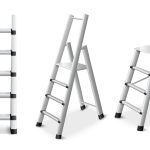
If the ladder shows any signs of misalignment, stop using it until qualified personnel have completed the necessary repairs and realignment. For applications requiring stable working platforms instead of vertical access, an Afton Aluminum heavy duty platform ladder can provide a safer alternative for maintenance and inspection tasks.
Prevent Corrosion and Environmental Damage
Outdoor CAT ladders are constantly exposed to moisture, dust, chemicals, and changing weather conditions. Without proper protection, these environmental factors can accelerate corrosion and reduce the ladder’s structural integrity.
A combination of regular cleaning, corrosion control, and protective coating maintenance helps maximize the ladder’s lifespan while ensuring safe operation.
Prevent Rust and Corrosion
Regular cleaning and corrosion checks are essential for extending the lifespan of CAT ladders, especially those installed outdoors or in harsh industrial environments. Inspect the ladder for rust, pitting, peeling coatings, or moisture buildup during every scheduled inspection.
If corrosion is found, remove loose rust with a wire brush before applying an anti-rust primer and weather-resistant paint or zinc-rich galvanizing spray. Repair damaged protective coatings immediately to prevent further deterioration and maintain long-term structural integrity.
Restore Damaged Protective Coatings
Protective coatings act as the first line of defense against corrosion. Damaged coatings should be repaired as soon as possible to prevent exposed metal from deteriorating.
Restore protective finishes by following these steps:
- Remove loose rust using a wire brush.
- Apply a suitable anti-rust primer.
- Finish with weather-resistant industrial paint.
- Use zinc-rich galvanizing spray on galvanized ladders where appropriate.
Regular coating maintenance significantly increases the service life of outdoor CAT ladders.
Keep the Ladder and Surrounding Area Clean
Keeping both the CAT ladder and the surrounding access area clean helps reduce slip hazards and prevents debris from trapping moisture against metal surfaces. Regular cleaning also makes structural defects easier to identify during inspections.
Remove dust, grease, leaves, bird nests, ice, and construction debris from the ladder and nearby access points. Ensure proper drainage around mounting brackets and roof access areas to prevent standing water that can accelerate corrosion.
Follow Safe Maintenance and Repair Practices
Proper repair procedures help maintain the original strength and safety of CAT ladders. Temporary fixes or unauthorized modifications can compromise structural integrity and increase workplace risks.
Repair or Replace Damaged Components Safely
Never modify a CAT ladder by drilling, welding, or installing unapproved components, as these alterations can weaken the structure and affect compliance with safety standards. Always follow the manufacturer’s maintenance and repair recommendations.
Replace damaged rungs, side rails, brackets, fasteners, or safety components immediately using approved replacement parts. If repairs are no longer practical, explore the complete range of industrial access equipment from Afton Tools UAE to find a reliable ladder solution that meets your site’s safety and performance requirements.
Maintain Safety Compliance
Maintaining safety compliance requires regular employee training, documented inspections, and periodic professional assessments of CAT ladders. Workers should understand safe climbing techniques, fall protection procedures, and how to report defects before using the ladder.
Schedule a comprehensive annual inspection by a qualified professional to verify structural integrity and compliance with EN ISO 14122, OSHA, and local regulations. Keep detailed maintenance records, including inspection dates, repairs, and replaced components, to support future audits and preventive maintenance.
Train Personnel and Maintain Safety Compliance
A well-maintained CAT ladder is only safe when employees use it correctly. Regular training and documented inspections help organizations maintain a safe working environment while meeting regulatory requirements.
Train Employees on Proper Usage
Employees should receive periodic training on safe climbing practices and ladder inspection procedures. Proper training reduces accidents caused by human error and encourages early reporting of defects.
Training should include:
- Maintaining three-point contact
- Carrying tools safely
- Following weight limits
- Using fall protection equipment correctly
- Avoiding ladder use during unsafe weather
- Reporting defects immediately
Schedule Annual Professional Structural Assessments
Routine inspections are important, but they should be supported by a comprehensive annual assessment performed by a qualified inspector or structural engineer.
The professional inspection should evaluate:
- Structural integrity
- Mounting brackets and anchors
- Corrosion levels
- Safety cages
- Fall protection systems
- Compliance with EN ISO 14122, OSHA, and local regulations
Annual assessments help identify hidden structural defects before they become serious safety hazards.
Keep Maintenance Records
Maintaining detailed inspection records demonstrates compliance and simplifies future maintenance planning. Accurate documentation also helps identify recurring issues before they lead to costly repairs.
Each maintenance record should include:
- Inspection date
- Inspector’s name
- Observations
- Repairs completed
- Components replaced
- Next inspection date
Conclusion
Proper maintenance is the key to maximizing the safety, durability, and performance of CAT ladders. By following a structured maintenance plan that includes routine inspections, corrosion prevention, timely repairs, and employee training, businesses can minimize safety risks, extend equipment lifespan, and maintain compliance with industry standards such as EN ISO 14122 and OSHA.
Whether your CAT ladder is installed in an industrial facility, warehouse, commercial building, or rooftop access system, proactive maintenance ensures dependable performance and safe access for years to come.
For high-quality CAT ladders, custom fabrication, and professional installation services, Abul Fazl Trading LLC is a trusted CAT ladder manufacturer in UAE. Our team delivers durable, standards-compliant access solutions tailored to your project requirements.
Contact Abul Fazl Trading LLC today to discuss your CAT ladder needs and receive a reliable solution built for long-term safety and performance.
Explore More Related Guides
- CAT Ladder Installation Guide for Industrial Buildings: Everything you need to know for safe, compliant CAT ladder installation.
- How to Choose the Right Handrail Fabrication Company in UAE: Expert guide to selecting trusted UAE handrail fabricators.
- What Is a Cat Ladder? Essential Guide and Uses:: Complete guide to CAT ladder safety, types, and industrial uses
- CAT Ladder with Cage vs Platform Ladder: Which Is Better?: ompare safety, applications, and key differences to choose the right ladder for your project.
- Choosing the Right Fiberglass Ladder Manufacturer in UAE: Key factors to consider when sourcing fiberglass ladders.