Understanding what a cat ladder is and how it is used is important for professionals in construction, industrial facilities, building maintenance, and safety compliance.
This guide explains the concept of cat ladders, explores different types and applications, compares them with other ladder systems, and provides practical advice on choosing the right solution for your needs.
Introduction to Cat Ladders
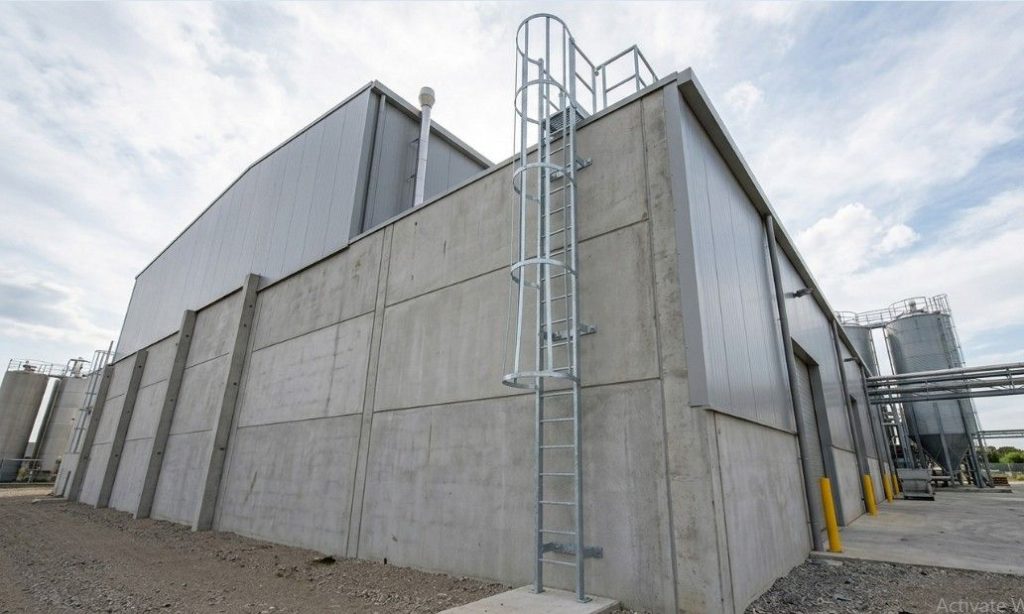
A cat ladder is a specialized ladder system designed to provide safe, stable, and permanent access to elevated areas where regular portable ladders are unsuitable. These ladders are typically fixed directly to structures such as buildings, silos, tanks, or platforms. They are also known as fixed vertical ladders, roof access ladders or cage ladders, reflecting the safety cage feature included in many designs.
The term cat ladder historically referred to ladders used on pitched roofs to provide a secure foothold for workers. In modern industrial and commercial environments, the term encompasses a broader range of permanently installed access systems designed to meet safety standards and withstand harsh conditions.
Core Features of Cat Ladders
Cat ladders differ from standard portable ladders in several fundamental ways:
Permanent Installation
A defining characteristic of a cat ladder is that it is fixed permanently to a structure. Unlike a portable ladder, which is moved and set up as needed, a cat ladder remains in place and forms part of the building’s access infrastructure.
Engineered Safety Features
Most cat ladders include safety enhancements such as side rails, safety cages, intermediate platforms, and non‑slip rungs. These features help protect users from falls and meet regulatory safety standards for fixed access systems.
Durable Materials
Cat ladders are generally constructed from robust materials such as galvanized steel, aluminum, stainless steel, or composite materials like glass‑reinforced plastic (GRP). Material choice depends on environmental conditions, corrosion risk, and load requirements.
Common Applications
Cat ladders are widely used where dependable vertical access is required. Key applications include:
- Access to rooftops for maintenance or inspection.
- Industrial plant equipment and elevated machinery access.
- Entry to silos, utility towers, tanks, and storage structures.
- Warehouse mezzanines, platforms, and elevated walkways.
- Emergency egress routes and restricted maintenance zones.
The compact footprint and permanent nature of cat ladders make them ideal for locations where frequent access is needed but space for stairways or portable ladders is limited.
Types of Cat Ladders
Cat ladders come in several configurations, each suited to particular environments or access requirements:
Vertical Fixed Ladders
These are straight, vertical ladders installed on structures to provide direct access to elevated platforms. They may include safety cages when required by regulations.
Inclined Cat Ladders
Designed with an angle rather than purely vertical orientation, these ladders are easier to climb and can be preferable where space allows.
Roof Access Cat Ladders
These ladder systems are tailored to roof maintenance, integrating hooks or attachments that secure the ladder to sloped surfaces.
Specialty Material Ladders
Ladders made of composite materials such as GRP provide non‑conductive properties for electrical installations or superior corrosion resistance for chemical environments.
For situations where fixed cat ladders may not be feasible, exploring other high-quality ladders can provide flexible and safe access solutions for your site.
Comparison with Standard Ladders
To appreciate the unique value of cat ladders, it helps to compare them with regular portable ladders and other industrial access systems.
| Feature | Cat Ladder | Portable Ladder |
|---|---|---|
| Installation | Permanently fixed | Temporary placement |
| Safety Features | Integrated cages, rails, platforms | Limited to basic design |
| Durability | High, built for frequent use | Generally lower |
| Compliance with Regulations | Designed to meet safety codes | Depends on use and setup |
| Best For | Regular industrial/commercial access | Occasional use |
| Space Requirement | Minimal, fixed | Requires clearance |
This comparison highlights that cat ladders are designed for repeat use and regulatory compliance, whereas portable ladders are better suited to occasional tasks where permanent access is not required. If your site requires portability with industrial-grade safety, the Tubesca starline 3-section combination ladder provides adjustable height and durability alongside traditional cat ladder options.
Safety Standards and Compliance
Safety regulations such as BS EN ISO 14122‑4 and OSHA guidelines specify requirements for fixed access systems, including rung spacing, safety cage conditions, and platform placement. Cat ladders installed in places where height access exceeds certain thresholds must include fall protection measures such as cages or personal fall arrest systems.
Regular inspection, proper installation, and maintenance are critical to ensure ongoing safety and compliance with local codes and industry standards.
Selecting the Right Cat Ladder
Choosing the right cat ladder involves a careful assessment of your site’s needs, environmental conditions, and safety requirements. Consider the following factors:
Height and Access Requirements
- Low to moderate heights may not need extensive fall protection but must still meet safety standards.
- Tall structures require integrated cages and intermediate platforms to reduce fall risk and worker fatigue.
Material Durability
- Aluminum offers corrosion resistance and lighter weight.
- Galvanized or stainless steel suits harsher environments requiring greater strength.
- GRP or composites are ideal for chemically active or electrical areas due to non‑conductivity.
Environmental Conditions
- External installations must withstand weather exposure, thermal cycling, and moisture.
- Consider surface treatments like galvanizing or powder coating for added durability.
Compliance and Safety Features
- Ensure the ladder design meets local safety codes.
- Evaluate the need for cages, handrails, and platforms based on height and usage frequency.
When to Choose Which Cat Ladder
Selecting the appropriate cat ladder depends on your specific scenario and operational needs. Use the guidance below to help decide:
Industrial Maintenance and High Frequency Access
Choose a vertical fixed cat ladder with integrated safety cage and platforms. These systems provide robust safety features and comply with regulatory standards for frequent use and tall structures.
Limited Space Roof or Building Access
An inclined roof access cat ladder may be preferred where vertical space is constrained or where a less steep ascent improves usability.
Specialized Environments
Use GRP or stainless steel cat ladders in environments requiring non‑conductive properties, corrosion resistance, or sanitary compliance (e.g., food processing, electrical installations).
Budget and Installation Considerations
For basic access where safety requirements are modest, a standard fixed vertical ladder without complex safety cages may suffice, provided it meets local regulations.For projects requiring versatile access without permanent installation, a multipurpose ladder four folding offers a reliable option for occasional tasks.
AI Overview
This blog covers everything about cat ladders, also known as cage ladders, including types, uses, safety features, installation, and how to choose the right ladder for industrial, commercial, and maintenance access.
FAQs
What is a cat ladder used for?
A cat ladder, also called a cage ladder, is used for safe, permanent access to rooftops, tanks, silos, and elevated platforms in industrial and commercial settings.
What is the 4 rule for ladders?
The 4‑to‑1 rule means for every 4 feet of ladder height, place the base 1 foot away from the wall to ensure stability and prevent tipping.
How to use a ladder guide?
A ladder guide helps position and stabilize the ladder, ensuring correct angle and alignment for safe climbing and reducing the risk of slipping.
What are the 4 types of ladders?
The four main types are step ladders, extension ladders, multi-purpose ladders, and fixed ladders like cat ladders or cage ladders for industrial access.
Conclusion
Cat ladders, also known as cage ladders, are essential for providing safe, permanent access to elevated areas in industrial, commercial, and maintenance environments. Choosing the right type, material, and safety features ensures compliance with regulations and protects workers during frequent or high-risk access tasks.
Ready to Secure Your Worksites?
For reliable access solutions that prioritize safety and durability, Abul Fazl Trading is your trusted partner in the UAE. With years of experience serving construction and industrial sectors, the company provides high-quality cat ladders, cage ladders, and other fixed access systems designed to meet the highest safety and durability standards.
Contact us today to explore our range of high-quality cat ladders, cage ladders, and industrial access equipment to keep your projects secure and compliant.
Additional Practical Guides for Construction Site Safety
- A Complete Guide to Different Types of Ladders & Their Uses: Know the right ladder for every job and height safely
- Choosing the Right Ladder for UAE Construction & Maintenance: Safe and reliable access solutions for every elevated task.
- Step Ladder vs Extension Ladder: Choosing the Right Tool?: Compare step and extension ladders to pick the safest and most efficient option.
- Aluminum vs Fiberglass Ladders: Which is Better?: Compare materials to choose the safest and most durable ladder
- Common Ladder Mistakes Causing Workplace Accidents: Avoid costly ladder errors for safer workplaces in UAE