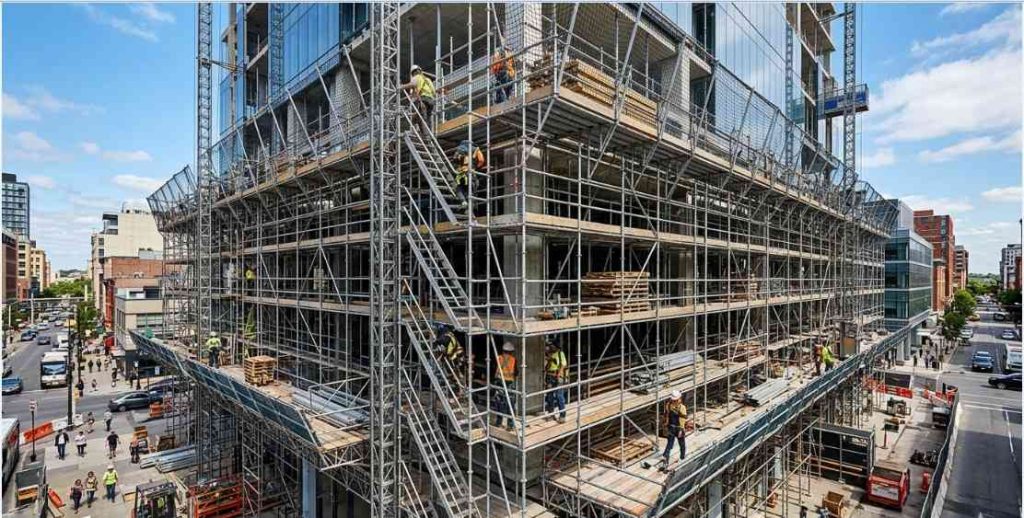
Scaffolding is an essential component of modern construction, enabling workers to perform tasks at height safely and efficiently. However, it also introduces significant risks when not properly designed, assembled, or used. Globally, scaffolding accidents contribute to thousands of injuries each year, with falls alone accounting for a substantial proportion of fatalities in construction environments. According to industry data, scaffolding incidents lead to thousands of injuries annually and contribute to nearly 25 percent of fatal falls in construction.
This article provides a comprehensive, research-based analysis of common scaffolding hazards, their root causes, and practical strategies to prevent them.
Understanding Scaffolding Risks
Scaffolding hazards typically arise from structural instability, unsafe work practices, environmental conditions, and lack of training. Regulatory bodies such as OSHA classify the most common risks into four main categories:
- Falls from height
- Scaffold collapse
- Falling objects
- Electrocution hazards
These hazards are often interconnected, meaning a failure in one area can trigger multiple risks simultaneously. Using reliable scaffoldings from trusted suppliers can significantly reduce risks and ensure compliance with safety standards.
Major Types of Scaffolding Hazards
Fall Hazards
Falls remain the leading cause of injuries and fatalities in scaffolding operations. Construction data shows that falls account for nearly one third of all construction-related deaths.
Common Causes
- Missing or inadequate guardrails
- Unsafe access such as climbing cross-braces
- Slippery or cluttered platforms
- Lack of fall protection systems
Prevention Strategies
- Install guardrails and mid-rails on all open sides
- Use personal fall arrest systems when working above 10 feet
- Maintain clean and dry working surfaces
- Provide safe access through ladders or stair towers
Scaffold Collapse and Structural Failure
Structural instability is one of the most dangerous hazards because it can result in multiple casualties simultaneously. Investing in durable options such as AFTON H-Frame steel scaffolding ensures proper load capacity and stability for daily construction operations.
Key Causes
- Improper assembly or dismantling
- Use of defective or incompatible materials
- Weak foundations or uneven ground
- Overloading beyond capacity
Studies indicate that nearly 72 percent of scaffold accidents are linked to structural issues, slips, or falling objects.
Prevention Strategies
- Ensure scaffolds are designed and erected by qualified personnel
- Follow manufacturer load limits strictly
- Use stable base plates and secure foundations
- Conduct daily inspections before use
Falling Objects and Struck-By Hazards
Workers on scaffolds are exposed not only to risks at height but also to hazards affecting those below.
Common Causes
- Unsecured tools or materials
- Poor housekeeping practices
- Lack of toe boards or protective barriers
Prevention Strategies
- Install toe boards and debris nets
- Secure tools using lanyards
- Establish exclusion zones below scaffolding
- Mandate hard hat usage on site
Electrical Hazards
Electrocution risks arise when scaffolding is erected near power lines or energized equipment.
Key Causes
- Metal scaffolds contacting overhead power lines
- Lack of safe clearance distances
- Improper planning of scaffold location
Prevention Strategies
- Maintain a minimum safe distance from power lines
- De-energize lines where possible
- Use non-conductive materials in high-risk zones
- Conduct pre-work hazard assessments
Overloading Hazards
Every scaffold has a defined load capacity, and exceeding it significantly increases the risk of collapse. Every scaffold has a defined load capacity, and exceeding it significantly increases the risk of collapse. Systems like AFTON cuplock scaffolding system are designed to handle heavy loads safely while maintaining structural integrity.
Common Causes
- Storing excessive materials on platforms
- Misjudging load distribution
- Using scaffolds for unintended purposes
Prevention Strategies
- Clearly label load limits
- Train workers on load calculations
- Distribute materials evenly
- Avoid stacking heavy equipment unnecessarily
Environmental and External Hazards
External conditions like uneven ground or frequent relocation of platforms can increase hazards. Using AFTON scaffolding wheels allows safe mobility of scaffolds while maintaining stability, reducing risk during repositioning on site..
Key Factors
- High winds and storms
- Rain or icy surfaces
- Nearby heavy machinery
- Poor lighting conditions
Prevention Strategies
- Suspend work during adverse weather
- Install anti-slip surfaces
- Ensure proper illumination
- Protect scaffold bases from vehicle impact
Root Causes of Scaffolding Accidents
Understanding root causes is essential for long term risk reduction.
- Lack of Training
Workers without proper training often lack the technical knowledge required to safely assemble, inspect, or use scaffolding systems. This leads to incorrect installation, misuse of components, and failure to recognize potential hazards, significantly increasing the likelihood of accidents. - Poor Supervision
When there is no competent or experienced supervisor on site, unsafe practices can go unchecked. Workers may take shortcuts, ignore safety protocols, or proceed with incomplete setups, resulting in higher exposure to risks and missed early warning signs of failure. - Inadequate Inspection
Scaffolding structures require routine and thorough inspections to ensure stability and safety. When inspections are skipped or performed improperly, issues such as loose fittings, damaged planks, or structural weaknesses remain undetected, eventually leading to serious incidents. - Time Pressure
Tight project deadlines and productivity demands often push workers to prioritize speed over safety. This results in rushed assembly, improper use of safety equipment, and neglect of standard procedures, all of which contribute to increased accident rates.
Best Practices for Scaffolding Safety
Proper Planning and Design
- Conduct risk assessments before installation
- Choose the correct scaffold type for the task
- Ensure compliance with safety standards
Regular Inspection Protocols
- Inspect scaffolds before each shift
- Check for loose connections or damaged components
- Reinspect after weather events or modifications
Use of Personal Protective Equipment
- Hard hats for protection from falling objects
- Non-slip footwear
- Harnesses and lanyards for fall arrest
Safe Work Practices
- Maintain three points of contact while climbing
- Avoid carrying tools during ascent
- Keep platforms organized and clutter-free
Training and Competency
- Train workers in scaffold assembly and usage
- Educate teams on hazard identification
- Ensure presence of a competent safety supervisor
Advanced Safety Measures
The construction industry is increasingly integrating advanced technologies to enhance scaffolding safety and minimize human error. These innovations provide real time insights, improve monitoring accuracy, and support proactive risk management, making worksites significantly safer and more efficient.
Digital Monitoring and Smart Safety
Modern construction sites are adopting technology such as:
- IoT sensors for load monitoring
- Real time safety alerts
- Digital inspection checklists
By leveraging these smart safety solutions, companies can detect potential issues before they escalate into serious hazards. This shift toward technology driven safety not only improves compliance but also strengthens overall site performance and worker protection.
Safety Culture Development
Organizations with strong safety cultures report fewer incidents. This includes:
- Encouraging hazard reporting
- Conducting regular safety briefings
- Promoting accountability at all levels
AI Overview
Discover common scaffolding hazards, including falls, structural failures, and falling objects, along with root causes and expert backed prevention strategies to enhance construction safety, reduce risks, and ensure full compliance on site.
FAQs
What are the most common scaffolding hazards?
The most common hazards include falls from height, scaffold collapse, falling objects, and electrical risks. These issues often arise due to poor safety practices and lack of proper equipment.
How can scaffolding accidents be prevented?
Accidents can be prevented through proper training, regular inspections, and use of fall protection systems. Following safety guidelines and maintaining equipment is essential for risk reduction.
Why is scaffolding inspection important?
Regular inspection helps identify structural weaknesses, loose components, or damage before they become dangerous. It ensures the scaffold remains stable and safe for daily use.
What safety equipment is required for scaffolding work?
Essential safety equipment includes helmets, harnesses, non slip footwear, and guardrails. These protective measures reduce the risk of injuries from falls and falling objects.
Conclusion
Scaffolding hazards pose serious risks in construction, but most accidents are preventable with proper planning, training, and safety management. Implementing regular inspections, using personal protective equipment, and adopting modern monitoring technologies can significantly reduce injuries and improve overall site efficiency. By fostering a culture of safety and compliance, construction teams can protect workers, minimize downtime, and ensure projects are completed smoothly and securely.
Ready to Enhance Your Construction Safety?
Abul Fazl Trading has established itself as a trusted supplier for businesses across the UAE, providing reliable scaffolding solutions and safety equipment that meet the highest industry standards.
Contact us today and discover how our expert scaffolding solutions and safety guidance in Dubai can help your projects across the UAE stay secure and compliant.
Additional Practical Guides for Construction Site Safety
- What Is Scaffolding? Types, Uses, and Safety Requirements: A complete guide on scaffolding, its types, uses & safety requirements.
- Guide to Scaffold Use in the Construction Industry in UAE: Explains approved usage practices, safety compliance, and on site regulations in the UAE.
- How to Choose the Right Scaffolding System in UAE: Helps buyers select the correct scaffolding based on project needs and load conditions.
- Mobile Scaffolding vs Static Scaffolding: Which is Best: Compare safety, efficiency, and suitability of mobile and static scaffolding for your project needs.
- Essential Legal Requirements for Scaffolding in the UAE: Stay compliant and safe with UAE scaffolding regulations