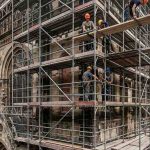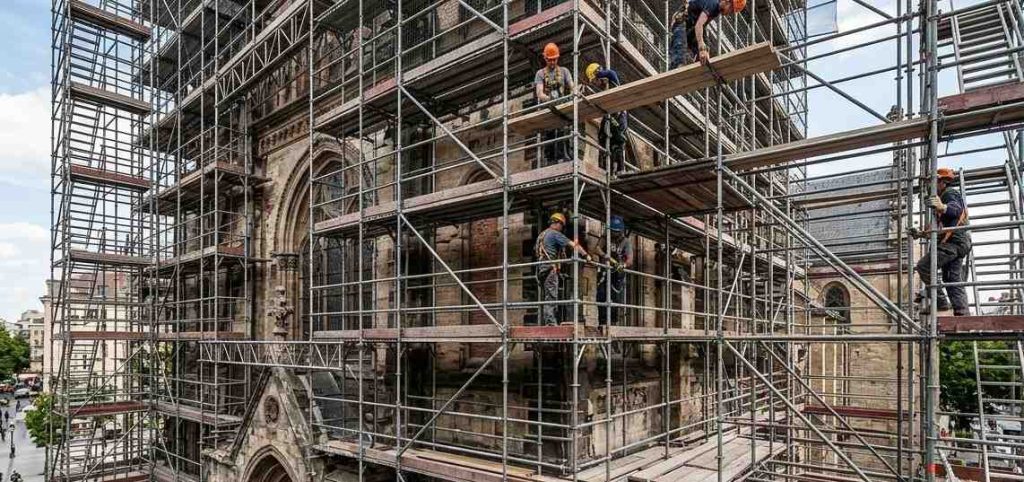
Scaffolding gives construction teams safe access to heights, but only when it is used the right way. A single missing guardrail or an untrained worker can turn a routine job into a serious accident. Every year, falls and structural failures linked to scaffolding injure thousands of workers across the construction industry.
Most of these incidents are preventable. Below are ten practical safety tips that every site manager, supervisor and worker should follow to keep scaffolding work safe, compliant and efficient.
Get Proper Training Before Climbing Any Scaffold
Every worker who steps onto a scaffold should first complete proper training. This training should cover assembly, dismantling, safe movement and how to spot early warning signs of damage.
Untrained workers are far more likely to make mistakes that lead to falls or collapses. Site managers should keep a record of who has completed training and refresh it regularly, since scaffolding standards and equipment change over time.
Inspect The Scaffold Before Every Shift
A competent person should check the scaffold before work begins each day. Look closely at base plates, guardrails, planks and connection points for signs of wear, rust or looseness.
Weather changes and equipment movement can weaken a structure overnight, so inspections should never be skipped, even if the scaffold looked fine the day before.
Choose Between Mobile And Static Scaffolding Correctly
Picking the wrong scaffold type for the job is one of the most overlooked safety risks. Mobile towers work well for tasks that need frequent repositioning, while static scaffolding suits long duration, heavy load projects. Understanding the difference between mobile and static scaffolding helps teams avoid instability caused by using the wrong system for site conditions.
Build On A Secure And Level Foundation
A scaffold is only as safe as the ground beneath it. The base should be firm, level and able to carry the full weight of workers, tools and materials. Base plates, sole boards or adjustable jacks can be used on uneven or soft ground to keep the structure stable and prevent tilting or sinking during use.
Install Guardrails And Toe Boards On Every Open Side
Falls remain the leading cause of scaffold related injuries. Guardrails should run along every open side and end of the platform, and toe boards should be fitted to stop tools and debris from falling onto workers below. Missing or makeshift guardrails are a common violation that puts the whole team at risk.
Use Fall Protection Equipment Where Required
On suspended platforms, taller structures or where guardrails alone are not enough, workers need a full body harness connected to a secure anchor point. Fall protection gear should be inspected regularly and workers should be trained on how to wear and use it correctly, since poorly fitted equipment offers little real protection.
Keep Access Points Safe And Clear
Workers should only use proper ladders or stair towers to reach the platform. Climbing cross bracing or improvised structures is dangerous and should never be allowed. Access points must stay clear of tools, cables and debris so workers can move up and down safely at all times.
Follow UAE Scaffolding Regulations And Standards
Compliance is not optional on any job site. Following a proper scaffold use guide for the construction industry in UAE helps contractors meet local safety law while reducing the chance of accidents, fines or project delays. Regular audits against these standards keep a site consistently compliant.
Select The Right Scaffolding System For The Job
Not every scaffold performs the same way under load, wind or site conditions. Reviewing how different scaffolding systems compare in real jobsite testing can help teams choose a setup that balances assembly speed, stability and safety for their specific project needs.
Monitor Weather Conditions Constantly
Wind, rain and extreme heat can all affect scaffold stability. High winds can tip lightweight towers, while wet surfaces increase the risk of slips. Work should pause during severe weather, and scaffolds should be properly tied to the structure to prevent movement once conditions improve.
Common Scaffold Hazards To Watch For
Understanding common hazards helps a team spot problems before they turn into accidents.
| Hazard | What Causes It |
| Falls from height | Missing guardrails or unstable platforms |
| Structural collapse | Overloading or poor assembly |
| Falling objects | Loose tools or materials on open platforms |
| Slips and trips | Cluttered or wet working surfaces |
| Electrocution | Scaffold placed too close to power lines |
Each of these hazards can be reduced through training, routine inspection and strict use of safety equipment.
Avoid Common Access Mistakes On Scaffolding
Many scaffold related injuries start with a simple access mistake, such as using an unstable ladder or skipping a step to save time. Reviewing common ladder mistakes that cause workplace accidents is a useful reminder for teams, since scaffold access points often rely on the same equipment and require the same level of care.
Use Certified Scaffolding Suppliers And Equipment
Quality equipment plays as big a role in safety as good practices. Sourcing components from a trusted scaffolding supplier UAE teams can rely on ensures every part meets recognised safety standards and load ratings. Working with an established supplier also means better technical support, proper documentation and equipment tested for real site conditions.
Key Scaffolding Safety Standards To Know
Following recognised standards keeps a project both safe and compliant.
| Standard | Focus Area |
| Work at Height Regulations | Planning and risk assessment for height work |
| CDM Regulations | Communication and cooperation on site |
| BS EN 12811 | Structural requirements for temporary scaffolding |
| OSHA 1926.451 | General scaffold construction and load rules |
Conclusion
Working safely on scaffolding comes down to consistent habits, not a one time effort. Training, daily inspection, the right equipment and constant awareness of site conditions all work together to keep workers safe every day.
For dependable scaffolding solutions built for UAE job sites, Abul Fazl Trading LLC supplies quality systems trusted by contractors across the region.
Contact our team today to find the right scaffolding setup for your next project.
Explore More Related Guides
- What Is Scaffolding? Types, Uses, and Safety Requirements: A complete guide on scaffolding, its types, uses and safety essentials.
- Steel vs Aluminium Scaffolding: Which One to Choose?: Compare strength, weight and durability to pick the right scaffold.
- How to Choose the Right Scaffolding System in UAE: Helps buyers select the correct scaffolding based on project needs and load conditions.
- After Testing 5 Scaffolding Systems, One Stood Out: A real jobsite comparison of assembly speed, stability and load performance.
- Guide to Scaffold Use in the Construction Industry in UAE: Learn about scaffold types, applications, safety requirements, and common uses in UAE construction projects.