A smooth finish can make a difference in woodworking, automotive repair, metalwork, painting, and DIY projects. While standard sandpaper works well for many dry applications, waterproof sandpaper offers better control when wet sanding is required. Its ability to resist water and maintain its abrasive performance makes it a valuable finishing tool for professionals and hobbyists.
What Is Waterproof Sandpaper?
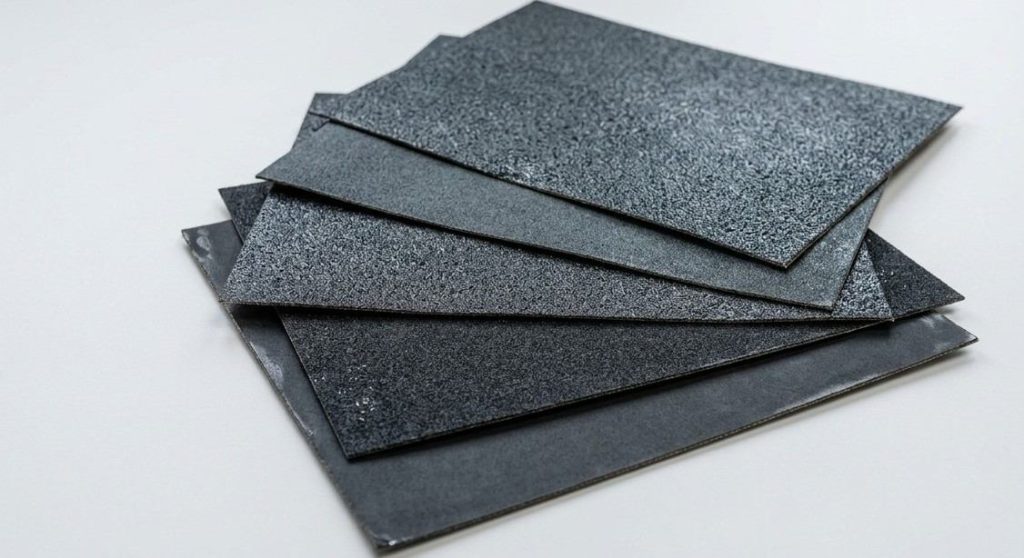
Waterproof sandpaper, also called wet and dry sandpaper, is an abrasive sheet designed to work with water or other suitable liquids. Unlike ordinary sandpaper, it has a water-resistant backing and abrasive coating that can withstand wet conditions without breaking down quickly.
Wet sanding helps remove fine scratches, surface imperfections, paint marks, and residue while producing a smoother finish. Waterproof abrasive paper is available in different grit sizes, allowing users to select the right level of cutting action for each finishing stage.
Why Is Waterproof Sandpaper Important?
Better Surface Finishing
One of the main benefits of waterproof sandpaper is its ability to create a smooth and refined surface. Water reduces friction between the abrasive and the workpiece, helping the paper glide more evenly.
This makes wet sanding useful when preparing surfaces for polishing, painting, coating, or final finishing.
Reduced Dust During Sanding
Dry sanding can create significant amounts of airborne dust, particularly when working with paint, fillers, plastics, or wood. Wet sanding uses water to capture much of the sanding residue.
This can keep the work area cleaner and improve visibility of the surface being finished. It also makes it easier to identify remaining scratches, uneven areas, or other defects before moving to the next stage.
Longer Abrasive Performance
Waterproof abrasive sheets are designed to remain functional during wet applications. When used correctly, they can maintain their structure and abrasive action through repeated passes.
Because the sheet is less likely to fall apart when exposed to water, it provides consistent performance throughout a finishing task. This reliability is useful for jobs requiring several sanding stages.
Best Uses for Waterproof Sandpaper
Automotive Finishing
Wet and dry sandpaper is widely used in automotive refinishing. It can help smooth primer, remove small paint imperfections, blend repaired areas, and prepare panels for polishing.
Fine grit automotive sandpaper is useful during final surface preparation because it allows controlled abrasion without removing excessive material.
Metal Finishing
Waterproof sandpaper is also useful for finishing metals such as aluminum and stainless steel. Wet sanding can reduce clogging and help produce a more uniform surface.
It is often used before polishing, coating, or other treatment processes where a consistent finish is important.
Paint and Primer Preparation
Surface preparation is essential for good paint adhesion. Waterproof sandpaper can help smooth primer, remove minor imperfections, and create an even surface before applying the next coating.
Using the correct grit prevents unnecessary scratches and helps produce a professional-looking result.
Choosing the Right Sandpaper Grit
Selecting the right grit is one of the most important parts of any sanding job. Coarse grits remove material quickly, while fine grits are better for smoothing and finishing.
For example, lower grit numbers can be used for heavier correction, medium grits are suitable for general surface preparation, and high grit sandpaper is ideal for fine finishing and polishing preparation.
For wet sanding, it is common to move gradually from a coarser grit to finer grits. This approach helps remove deeper sanding marks step by step rather than trying to achieve the final finish with one abrasive.
How to Use Waterproof Sandpaper Correctly
Start by cleaning the workpiece and selecting an appropriate grit. Soak the waterproof sandpaper in clean water when recommended by the manufacturer. Keep the surface damp while sanding and use light, even pressure.
Sand in a controlled direction and regularly wipe the surface to check progress. When moving to a finer grit, remove residue from the workpiece and use a clean abrasive sheet or fresh section of paper.
Avoid excessive pressure because it can create uneven scratches, reduce abrasive life, and make it harder to achieve a consistent finish. For delicate surfaces, test the grit on a small area before sanding the entire workpiece.
Waterproof Sandpaper vs. Regular Sandpaper
Regular sandpaper is mainly intended for dry use, while waterproof sandpaper is manufactured for both wet and dry applications.
Wet and dry abrasive paper provides greater flexibility for finishing jobs where dust control, surface refinement, or reduced clogging is important. However, regular sandpaper can remain the better choice for heavy dry sanding and applications where water is unsuitable.
Tips for Better Finishing Results
Always match the abrasive grit to the material and stage of the job. Use consistent pressure and keep the surface clean so particles do not create unwanted scratches.
Replace abrasive paper when its cutting performance drops. Good sanding technique combined with the right abrasive can improve finish quality and efficiency.
Conclusion
Waterproof sandpaper is essential for many finishing jobs because it combines abrasion, wet sanding capability, reduced dust, and reliable performance. From automotive refinishing and metal finishing to paint preparation, the right wet and dry sandpaper can help create smoother, cleaner surfaces.
Choosing the correct grit and using proper sanding techniques are equally important for consistent results. For information on abrasive products and finishing solutions, Abul Fazl provides useful product options for different industrial and surface preparation requirements. You can also contact our team to learn more about selecting the right abrasive for your specific application.
Related Reading
- Complete Guide to Sandpaper Types, Grits and Uses: Discover the right sandpaper type and grit for smoother, more effective sanding.
- What Is Waterproof Abrasive Paper? Advantages and How to Choose: Explore the key benefits of waterproof abrasive paper and how to choose the right option.
- Abrasive Paper Types, Uses and Buying Guide: Understand different abrasive paper types and find the right option for your project.
- Applications and Techniques of Waterproof Abrasive Paper: Explore practical applications and techniques for achieving cleaner, smoother finishes.