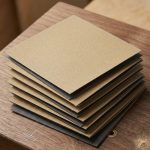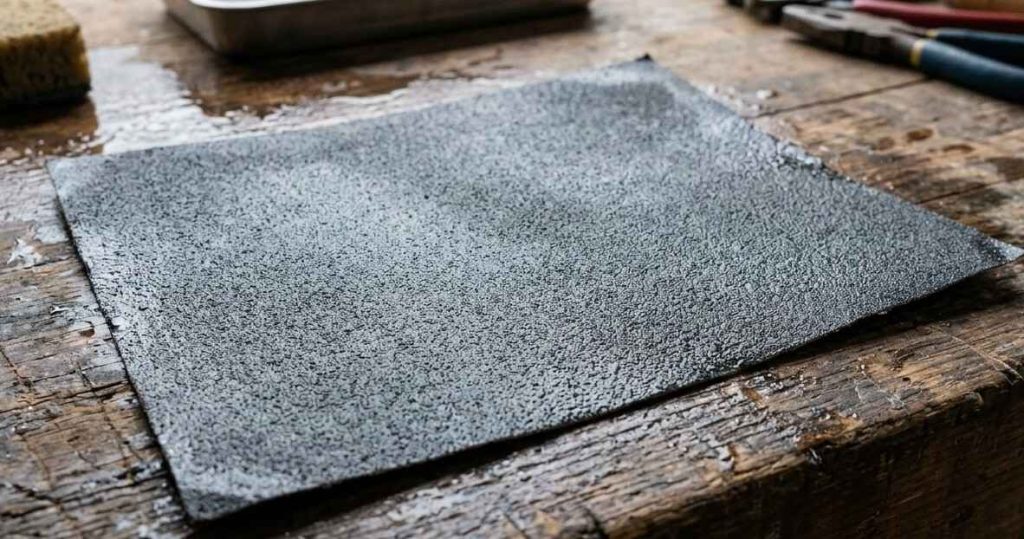
The applications and techniques of waterproof abrasive paper make it a valuable finishing tool for achieving smooth, consistent results across different materials. It is built to be used with water, allowing it to cut through material smoothly while washing away the fine dust that would otherwise clog a normal sheet of sandpaper.
Once you understand where it fits best and how to use it the right way it becomes one of the most reliable finishing tools in any workshop.
What Makes Waterproof Abrasive Paper Different
A standard sheet of sandpaper is made for dry use only. Waterproof abrasive paper on the other hand has a special backing and bonding that lets it stay strong even when it gets wet. The grains used in it such as silicon carbide or aluminum oxide keep cutting cleanly under water without breaking down. This is why it holds up so well on jobs where fine detail and a smooth surface matter more than fast material removal.
Water also plays a practical role during sanding. It keeps the surface cool so heat does not build up and damage the material. It also carries away loose particles so they do not scratch the surface again as you work.
Where Waterproof Abrasive Paper Is Commonly Used
This type of abrasive paper shows up across many trades because the finish it produces is hard to match with dry sanding alone.
Automotive Refinishing
Bodywork technicians use it to smooth out paint runs remove old clear coat and prepare panels before a fresh coat goes on. Using it wet stops the fine paint dust from getting into the air or settling back on the panel.
Woodworking and Furniture Finishing
Between coats of varnish or lacquer a light wet sanding levels the surface and removes any small bumps left by dust in the air. It leaves wood feeling silky before the final coat is applied.
Metal Fabrication and Polishing
Welders and metal workers use it to clean up weld lines remove light rust and prepare metal before plating or painting. It also helps bring out a polished look on stainless steel and aluminum parts.
Stone and Glass Finishing
Stone fabricators rely on it to smooth cut edges and bring up shine on countertops and tiles. Glass workers use fine grits to soften sharp edges safely.
| Industry | Main Use | Typical Grit Range |
| Automotive | Paint prep and clear coat leveling | 800 to 3000 |
| Woodworking | Between coat sanding and final smoothing | 320 to 1500 |
| Metal Fabrication | Weld cleanup and surface prep | 240 to 800 |
| Stone and Glass | Edge finishing and polishing | 400 to 2000 |
Sanding Techniques That Actually Work
There is more than one way to use waterproof abrasive paper and choosing the right method depends on the size and shape of what you are working on.
Full Immersion Method
Small parts such as jewelry hardware or metal fittings can be dunked directly into a bowl of water while sanding. This keeps the whole surface wet at once and washes debris away instantly. It works well for items you can hold comfortably in one hand.
Controlled Water Application
Larger pieces like furniture panels or car body sections are not practical to soak. Instead a spray bottle or a damp sponge is used to keep the surface wet in sections. Start with a coarser grit to knock down rough spots then move to finer grits as the surface improves.
Progressive Grit Method
Skipping grit levels often leaves visible scratch marks. Moving through the grits in order for example 400 then 800 then 1200 gives a much more even and professional result. Each step removes the marks left by the one before it.
| Technique | Best For | Key Benefit |
| Full immersion | Small parts and hardware | Even wetting and fast debris removal |
| Controlled application | Furniture panels and car bodies | Better control over water use |
| Progressive grit | Any surface needing a fine finish | Removes scratch marks step by step |
Tips For Getting A Smooth Finish Every Time
A few habits make the difference between an average result and a professional looking one.
- Always wear gloves since prolonged contact with wet abrasive material can dry out and irritate skin
- Sand in one direction rather than in circles especially on wood where going with the grain protects the natural pattern
- Keep the paper moving and avoid resting in one spot for too long as this can create low patches
- Rinse the sheet often so trapped particles do not scratch the surface you just smoothed
- Let the surface dry fully before judging the finish since wet surfaces can look smoother than they really are
- Replace the sheet once it feels smooth to the touch since a worn sheet no longer cuts evenly
Following these steps consistently is really what separates a rushed job from one that looks properly finished.
Final Thoughts
Understanding the applications and techniques of waterproof abrasive paper helps achieve consistent, professional results across different sanding projects. It controls dust, protects surfaces from overheating, and delivers a smooth finish when used correctly. Choosing the right grit and using proper sanding techniques helps achieve a professional-quality result.
For anyone searching for dependable abrasives and finishing tools Abul Fazl offers a wide range of quality waterproof abrasive paper and sanding products built for real world conditions across the UAE.
Contact our team today to find the right waterproof abrasive paper for your home or business needs.
Explore More Industry Guides
- Understanding Abrasives: What They Are & How to Choose Them: Learn what abrasives are, how they work, and how to choose the right type for your application.
- Types of Abrasive Discs and Key Characteristics: Explore different abrasive disc types and their key characteristics, applications, and benefits.
- Avoid Unsafe Practices When Using Abrasive Disc: Ultimate Safety Guide: Discover essential safety practices and common mistakes to avoid when using abrasive discs.
- Tips for Choosing the Right Abrasive Supplier in UAE: Find practical tips for selecting a reliable abrasive supplier based on quality, range, and support.
- Cutting Discs vs Grinding Discs: The AFTON Advantage: Compare cutting and grinding discs and understand which option is best suited to different applications.