Sandpaper is one of those tools that every workshop and job site keeps close at hand. It looks simple on the surface but the right sheet can be the difference between a rough job and a professional finish. Whether you are smoothing raw wood preparing metal for paint or polishing a car body the grit and material you choose will shape the outcome of your project.
This guide walks through what sandpaper is made of the grit levels available and how to match the right sheet to your job.
What Is Sandpaper Made Of
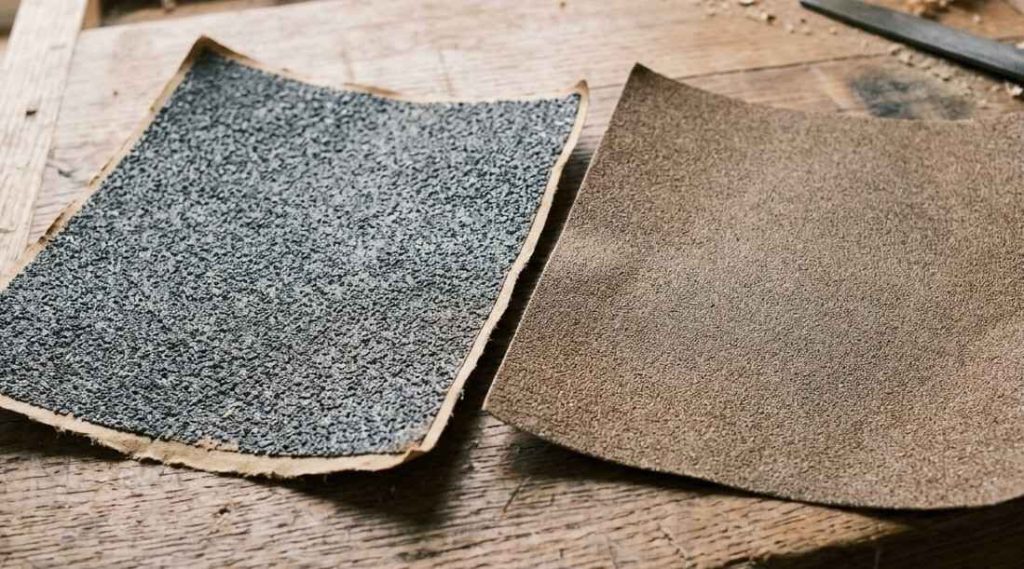
Sandpaper is an abrasive sheet built from three basic parts. A backing material carries the abrasive grains and those grains are held in place by an adhesive layer. When the sheet is rubbed against a surface the abrasive particles cut away tiny amounts of material until the surface becomes smooth and even.
The backing can be paper cloth or film depending on how much flexibility and strength the job needs. Cloth and film backings hold up better under power tools while paper backing works well for light hand sanding.
Understanding Sandpaper Grit Levels
Grit refers to the size of the abrasive particles bonded to the sheet. A lower grit number means larger particles and a rougher sheet that removes material quickly. A higher grit number means finer particles that leave a smoother surface. Getting familiar with this scale helps you pick the correct sheet before you even start sanding.
| Grit Range | Classification | Typical Use |
| 40 to 60 | Coarse | Stripping paint and shaping rough wood |
| 80 to 120 | Medium | Smoothing surfaces and removing small flaws |
| 150 to 220 | Fine | Preparing surfaces before painting or staining |
| 240 to 400 | Very Fine | Sanding lightly between coats of finish |
| 600 and above | Ultra Fine | Polishing metal plastic and automotive paint |
A good rule to remember is to always begin with a coarser grit and move gradually to a finer one. Skipping levels forces the finer paper to work harder and can leave the surface uneven.
Common Types of Sandpaper Abrasives
Not every sandpaper is built the same. The abrasive material used affects how long the sheet lasts and what surfaces it handles best.
- Aluminum oxide is tough and long lasting. It works well on wood and metal and is a common choice for both hand and power sanding.
- Silicon carbide is sharp and hard. It performs well on metal plastic glass and stone and is often used for wet sanding.
- Garnet is a natural abrasive suited to softwoods. It wears down faster but leaves a smooth clean finish.
- Ceramic grit is the most durable option and is built for heavy duty sanding on hard materials.
If you want a deeper look at how these grains are made and graded our guide to understanding abrasives breaks the science down further.
Wet Versus Dry Sandpaper
Sandpaper is generally used either dry or wet depending on the job. Dry sandpaper is the standard choice for woodworking drywall and general metal prep. It works without any liquid and is easy to control by hand or with a power sander.
Wet sandpaper is designed to be used with water or a lubricant. The moisture keeps the sheet from clogging with dust and produces a much smoother higher gloss result.
This method is popular for automotive refinishing stone polishing and fine metal work. For UAE contractors and workshops looking for a reliable waterproof option our AFTON waterproof sandpaper sheets are built to handle both wet and heavy duty dry sanding tasks. AFTON is one of the trusted brands we stock and our full range of Afton tools UAE covers everything from abrasives to ladders and formwork for local job sites.
Choosing the Right Sandpaper for Your Project
The material you are sanding and the finish you want will decide which grit and abrasive type to use. This table gives a quick reference for the most common project types.
| Project Type | Recommended Grit | Best Abrasive |
| Rough wood shaping | 40 to 80 | Aluminum oxide or garnet |
| Metal rust removal | 60 to 100 | Aluminum oxide or silicon carbide |
| Wall and drywall smoothing | 100 to 150 | Aluminum oxide |
| Furniture finishing | 180 to 240 | Garnet or aluminum oxide |
| Automotive paint polishing | 600 and above | Silicon carbide wet sanding |
Sanding discs and power tool attachments follow a similar logic and are worth understanding if you work with grinders or orbital sanders. Our breakdown of types of abrasive discs covers how disc shape and grit affect performance on bigger jobs.
How to Sand Like a Pro
Good technique matters just as much as picking the right sheet. A few habits separate a rough result from a professional one.
- Always sand wood in the direction of the grain to avoid visible scratch marks.
- Use light and even pressure and let the abrasive do the cutting work instead of forcing it.
- Clean the surface with a brush or cloth between grit changes so dust does not scratch the next pass.
- Test on a small hidden area first before working across the whole surface.
- Switch sheets once they feel dull since a worn sheet slows the job and can damage the material.
Common Mistakes People Make When Sanding
Even experienced hands run into avoidable problems. Watching for these issues will save time and material.
- Using a grit that is too coarse for the job and leaving deep scratches behind.
- Skipping grit stages instead of progressing gradually from coarse to fine.
- Applying too much pressure which wears out the sheet fast and damages the surface.
- Sanding in random directions on wood instead of following the grain.
- Ignoring dust build up which clogs the sheet and reduces cutting power.
Choosing quality abrasives from a trusted supplier also plays a big role in how consistent your results turn out. If you are sourcing in bulk for a workshop or site our notes on choosing the right abrasive supplier and the benefits covered in our ceramic abrasives comparison are worth a read before you place your next order.
Conclusion
Sandpaper may look like a small item on the shopping list but the right grit and abrasive choice can completely change the quality of your finished work. Match the grit to your surface follow a steady progression from coarse to fine and pick an abrasive built for the material you are working on.
For dependable sandpaper and abrasive solutions built for UAE job sites Abul Fazl Trading LLC supplies quality tools trusted by contractors across the region.
Contact our team today to find the right sanding solution for your next project.
Explore More Related Guides
- 10 Safety Tips When Working On Scaffolding: Practical safety habits that help reduce accidents and keep crews protected on site.
- Fiberglass Ladder Manufacturer in UAE — Complete Guide: Covers fiberglass ladder benefits, uses and what to check before buying.
- Bar Bending Machine Guide: Manual vs Electric for UAE Sites: Compares manual and electric bar benders to help you pick the right fit.
- Importance of Using Quality Construction Tools and Equipment: Explains how reliable tools improve safety, efficiency and project outcomes.
- Types of Aluminium Ladders: Which Is Right for Your Project?: Breaks down aluminium ladder types to match the right one to your job.