Every construction project, no matter its scale, depends on one foundational decision the quality of tools and equipment used to execute it. From laying the first foundation stone to the final structural touches, the tools in your team’s hands shape the safety, speed, and standard of the outcome.
Yet across the GCC and globally, construction companies continue to underestimate this decision choosing low-cost alternatives that end up costing far more in downtime, repairs, rework, and risk.
This article breaks down why quality construction tools and equipment are not optional extras but essential investments, and what to look for when making those choices.
Key Benefits of Quality Construction Tools and Equipment
Investing in the right tools is not just a procurement decision — it directly determines how safely, efficiently, and profitably a project is delivered. The following benefits make the case for why quality should never be compromised.
1. Safer Working Conditions
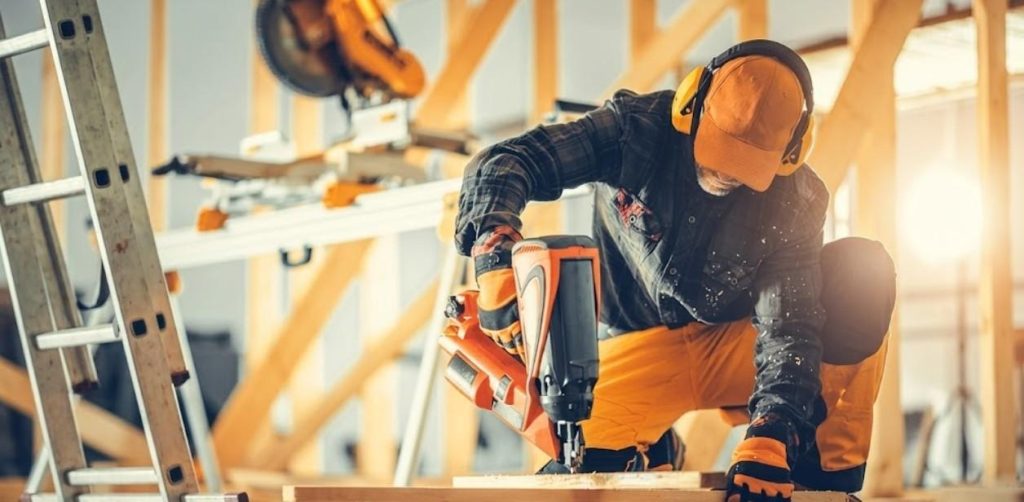
Safety is the most compelling reason to invest in quality tools. High-grade equipment is manufactured with built-in protective features: blade guards, anti-kickback mechanisms, fail-safe shutoffs, and ergonomic designs that reduce operator fatigue.
These are not optional extras — they are engineering choices that prevent accidents before they happen.
Quality tools also hold current certifications relevant to their use, whether LOLER for lifting equipment, MEWP standards for access machinery, or CE markings that confirm compliance with safety directives.
Using certified, well-maintained equipment reduces site risk and demonstrates due diligence to clients, insurers, and regulators.
2. Durability Built for Site Conditions
Construction environments are demanding. Tools and machinery face extreme temperatures, heavy loads, vibration, dust, and continuous operational hours. Equipment built from quality materials to precise engineering standards withstands these conditions and maintains consistent performance.
Durability is not just about how long a tool lasts — it is about how reliably it performs throughout its lifespan. A tool that degrades in performance halfway through a project creates the same problem as one that breaks completely: rework, downtime, and cost overruns.
3. Higher Productivity and Efficiency
Quality tools work better. A laser level that reads accurately the first time eliminates remeasurement. A concrete vibrator that delivers consistent output prevents honeycombing and rework. A high-performance drill completes fixings faster and without jamming.
Across a full project, these small efficiency gains compound into significant time savings. Crews can maintain momentum, stick to schedules, and move from task to task without the disruptions that erode productivity and push projects over deadline.
Modern quality equipment increasingly incorporates technology that extends this further — IoT monitoring for predictive maintenance, energy-efficient motors, and precision controls that reduce human error.
These features make quality tools not just better today, but more adaptable to the demands of tomorrow’s construction environment.
4. Long-Term Cost Savings
The most persistent myth in construction procurement is that budget tools save money. They reduce the upfront invoice. They do not reduce cost.
BWhen total cost of ownership is calculated — factoring in repair frequency, replacement timelines, downtime losses, and energy consumption — quality tools consistently outperform cheaper alternatives. They require less maintenance, last longer, and fail far less often. Over a project lifecycle, the cumulative savings in avoided breakdowns and lost productivity typically far exceed the price premium paid at purchase.
This is a shift in perspective worth making at the procurement stage: from unit price to lifecycle value.
What to Look for When Sourcing Construction Tools and Equipment
Choosing the right tools requires more than comparing price tags. Here is a practical framework for evaluating your options:
Brand reputation and manufacturing standards Established manufacturers invest heavily in product testing, materials quality, and ongoing R&D. Their track record across thousands of job sites is the most reliable performance indicator available.
Availability of spare parts and after-sales support Equipment will require maintenance. The question is whether parts are accessible and support is responsive. Working with a trusted construction equipment supplier that maintains stock, offers technical guidance, and stands behind what they sell reduces risk significantly.
Certification and compliance Verify that equipment meets the applicable safety certifications for your region — whether LOLER, CE marking, or local Gulf standards. Non-compliant equipment may void insurance, breach contract conditions, and expose teams to legal liability.
Suitability for site conditions Not all quality tools are right for every job. A tool built for light-duty commercial work may fail quickly under the demands of heavy civil construction. Match specifications to actual site conditions — ground type, load requirements, operating hours, climate exposure.
Total cost modelling Before purchasing or hiring, calculate the full cost of ownership over the intended period of use. Factor in expected maintenance, likely downtime, energy consumption, and resale or residual value.
Quality Equipment Across Key Construction Applications
Different project types demand different equipment standards. Here is a summary of where quality matters most:
| Application | Critical Equipment | Quality Impact |
| Earthmoving & Excavation | Excavators, loaders, bulldozers | Reduces cycle times; prevents ground instability |
| Concrete Work | Mixers, vibrators, screeds | Ensures structural integrity; avoids costly rework |
| Lifting Operations | Cranes, hoists, material handlers | Safety-critical; LOLER compliance required |
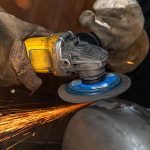
| Surface Finishing | Grinders, compactors, planers | Determines finish quality and durability |
| MEP (Mechanical, Electrical, Pipework) | Drilling machines, cable laying systems | Precision-critical; errors are expensive to rectify |
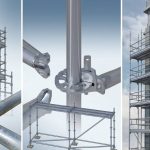
| Access & Elevated Work | Scaffolding, MEWPS, podiums | Life-safety equipment; no compromise acceptable |
The True Cost of Cutting Corners on Equipment
Let’s put some structure around what equipment failure actually costs a typical construction project.
Direct costs of a single equipment breakdown:
- Emergency repair or replacement hire: immediate cost
- Idle labour while equipment is unavailable
- Overtime required to recover lost productivity
- Potential penalties for milestone delays in contract
Indirect costs:
- Impact on downstream trades waiting for preceding work to complete
- Client dissatisfaction and relationship damage
- Potential renegotiation of contract terms
- Reputational impact on future tenders
Safety incident costs:
- Medical and compensation expenses
- Regulatory investigation and potential fines
- Project suspension during investigation
- Long-term liability exposure
When viewed comprehensively, even a single significant equipment failure on a mid-sized project can generate costs that far exceed the price difference between quality and budget tooling.
Conclusion
The importance of quality construction tools and equipment cannot be overstated. Every dimension of project success — safety, efficiency, cost control, schedule adherence, and client satisfaction — is influenced by the standard of equipment used on site.
Construction companies that treat equipment quality as an optional line item to be optimised away are consistently exposed to higher risk, greater cost, and reputational damage that compounds over time.
Those that invest in quality tools and partner with reliable suppliers gain a lasting competitive edge: fewer disruptions, safer sites, better outcomes, and stronger client relationships.
Whether you are procuring tools for a large-scale infrastructure project or a specialist fit-out in the UAE, the principle holds: quality equipment is not a cost — it is an investment with measurable returns.
To explore a comprehensive range of quality construction tools and equipment suited to projects across the GCC, visit Abulfazl or reach out through the contact page to speak with their team directly.
Explore More Industry Guides
Explore expert insights on construction tools, industrial equipment, and proven techniques to improve efficiency and overall performance.
- Guide to Scaffold Use in the Construction Industry in UAE: Explains approved usage practices, safety compliance, and on site regulations in the UAE.
- How to Choose the Right Scaffolding System in UAE: Helps buyers select the correct scaffolding based on project needs and load conditions.
- Benefits of AFTON Made in UAE Ladders Explained: Highlights the safety, durability, and performance advantages of locally manufactured ladders.
- Common Ladder Mistakes Causing Workplace Accidents: Identifies common ladder errors that lead to workplace accidents and injuries.
- Afton Steel vs Traditional Formwork: Which Saves Time?: Compares modern and traditional formwork systems for faster, more efficient construction.