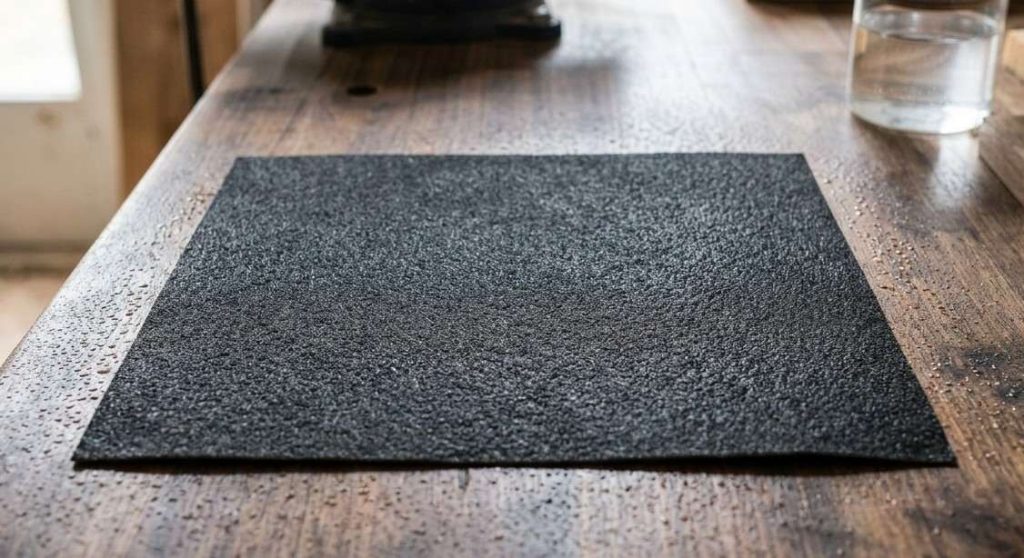
Waterproof abrasive paper is a sanding material coated with silicon carbide grit bonded to a waterproof latex or resin backing, allowing it to be used with water or oil as a lubricant. This reduces heat buildup, clears debris faster, and produces a finer, smoother finish than dry sanding alone.
Waterproof abrasive paper shows up in automotive refinishing, woodworking, and metal fabrication shops wherever a smooth, controlled finish matters more than speed. Understanding its construction and correct application prevents two of the most common shop-floor problems: surface scratching from incorrect grit selection and premature paper failure from moisture damage. This guide breaks down the material science, grit selection logic, and operational risks operators need to account for.
What Is Waterproof Abrasive Paper?
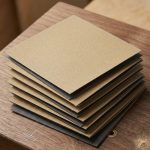
Waterproof abrasive paper is a sanding sheet made from silicon carbide particles adhered to a flexible, water-resistant backing using latex-based resin bonding. The waterproof construction lets technicians introduce water or honing oil during sanding, which flushes away swarf and prevents the paper from clogging prematurely.
Unlike standard aluminum oxide sandpaper, which degrades quickly when wet, this paper is engineered specifically for submerged or lubricated sanding applications across automotive, marine, and cabinetry work.
How Does It Differ From Standard Sandpaper?
Standard dry sandpaper uses paper or cloth backing with aluminum oxide grit and a glue-based bond that dissolves in water. Waterproof abrasive paper uses a latex or resin-saturated backing that resists moisture breakdown entirely, making it reusable across multiple wet sanding passes without disintegrating.
Key structural differences include:
- Backing material: Latex-treated paper vs. untreated kraft paper
- Grit type: Silicon carbide (harder, sharper-fracturing) vs. aluminum oxide (more durable, self-sharpening)
- Bonding agent: Waterproof resin vs. standard glue
- Typical grit range: 80 to 2500+ for wet paper vs. 40 to 400 for most dry paper
What Grit Types Are Available and What Are They Used For?
Grit selection determines surface outcome more than any other variable in the sanding process. Coarser grits (80–220) remove material and correct surface defects, while finer grits (400–2500) refine and polish for final finish quality.
Common grit applications include:
- 80–150 grit: Removing rust, old paint, or heavy surface defects
- 220–400 grit: Surface leveling before primer or between coats
- 600–1000 grit: Wet sanding primer or clear coat before polishing
- 1200–2000 grit: Final finish sanding for high-gloss automotive work
- 2500+ grit: Ultra-fine polishing prep, often paired with rubbing compound
What Materials Go Into Manufacturing Waterproof Abrasive Paper?
Manufacturing relies on three core components: the backing substrate, the bonding resin, and the abrasive mineral. Silicon carbide is preferred over aluminum oxide for wet applications because it fractures into sharper edges under pressure, maintaining cutting efficiency even at fine grits.
The backing is typically A-weight or C-weight paper impregnated with waterproof latex, which is then coated with resin adhesive before the abrasive grain is electrostatically applied. This process, sometimes referenced in manufacturing standards comparable to ISO/IEC coated-abrasive product classifications, ensures consistent grit distribution across the sheet.
What Are The Best Practices for Wet Sanding With Abrasive Paper?
Wet sanding requires more procedural discipline than dry sanding because moisture masks visual feedback on surface progress. Operators should maintain consistent water flow, moderate pressure, and frequent surface checks to avoid over-sanding.
Best practices include:
- Soak paper in water for 5–10 minutes before use to soften the backing
- Use a sanding block for flat surfaces to prevent uneven pressure
- Rinse the surface frequently to check progress and avoid gouging
- Progress grits sequentially — never skip more than one grit stage
- Dry and inspect the surface under direct light before moving to the next grit
What Failure Risks or Edge Cases Should Operators Watch For?
The most common failure mode is grit clogging, which occurs when swarf accumulates faster than water flow can clear it, causing scratching instead of smoothing. This is especially common on soft substrates like clear coat or aluminum.
Other risk vectors include backing delamination from prolonged oil exposure, cross-contamination when reusing paper between metal and paint substrates, and inconsistent grit sequencing that leaves visible scratch patterns under gloss finishes. Referencing manufacturer specifications, similar in structure to safety data documentation under OSHA guidance, helps operators match paper grade to substrate hardness before starting a job.
FAQ
Can waterproof abrasive paper be used dry?
Yes, but it performs below its design capability. The latex backing and silicon carbide grit function best with a lubricant present to manage heat and clear debris.
How long does waterproof abrasive paper last?
Lifespan depends on grit coarseness and substrate hardness, typically ranging from several passes on coarse grits to dozens of passes on fine polishing grits before efficiency drops.
What’s the difference between silicon carbide and aluminum oxide paper?
Silicon carbide is harder and fractures sharper, making it better for wet sanding fine finishes, while aluminum oxide is more durable and self-sharpening, better suited to dry, high-pressure material removal.
Get the Right Waterproof Abrasive Paper for Your Workshop
Need waterproof abrasive paper for automotive refinishing, woodworking, or metal fabrication? Abul Fazl can help you source suitable abrasives based on your requirements, including grit range, backing type, and finish quality.
Request Abrasives Quote