


19 Jan Aluminum vs Fiberglass Ladders: Which is Better?
Choosing the right ladder is not just about height or price. It is about matching the ladder material to your work environment, safety risks, and daily usage needs. After years of working with contractors, maintenance teams, and facility managers, one thing is clear: the wrong ladder choice can slow down work and increase safety hazards.
In this guide, we compare aluminum ladders and fiberglass ladders using real jobsite experience, safety standards, and performance factors. Whether you are a homeowner, electrician, or industrial buyer, this comparison will help you invest in the right ladder for long term reliability and compliance.
Understanding Ladder Materials and Why It Matters
Ladder material affects strength, weight, safety, durability, and maintenance needs. The two most common options in the market today are aluminum ladders and fiberglass ladders, each designed for specific environments and job types.
From warehouse inspections to outdoor construction sites, I have seen both materials perform exceptionally well when used correctly. Problems usually arise when the ladder material does not match the job hazards or workload requirements.
What Are Aluminum Ladders Best Used For?
Lightweight Performance & Cost Effective
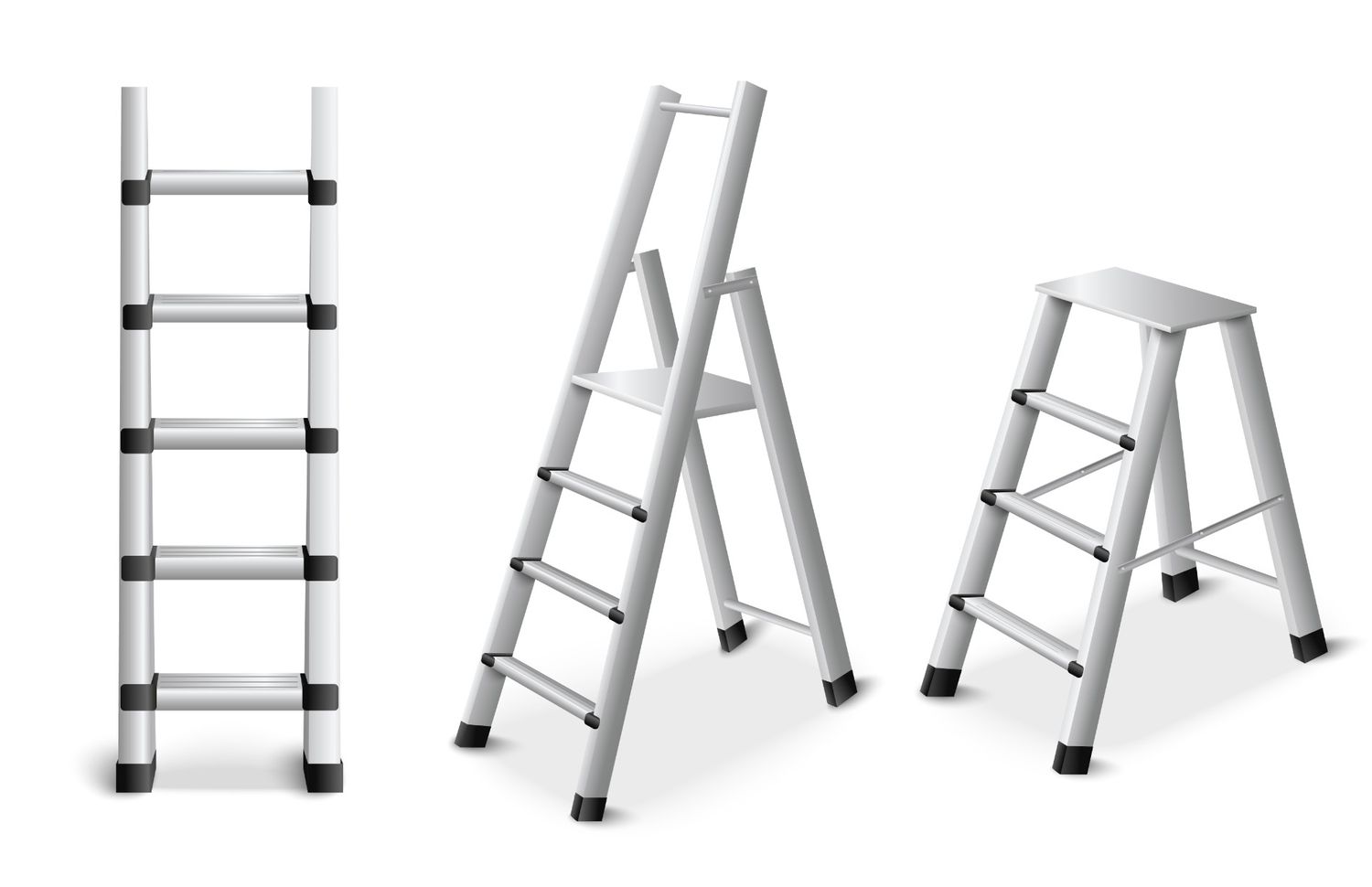
Aluminum ladders are lightweight and easy to carry, making them ideal for painting, shelving, inspections, and tasks that require frequent repositioning. Their portability, seen in models like the dual purpose aluminium ladder, improves productivity and reduces worker fatigue.
They are also cost effective and easy to replace, allowing businesses to equip multiple teams without stretching budgets. Aluminum combines acceptable durability with affordability for light to medium-duty applications.
Limitations in Electrical Environments
The main limitations are electrical safety and impact vulnerability. Aluminum conducts electricity, so it should never be used near live circuits, and it can bend if dropped or struck, reducing long-term strength.
When Fiberglass Ladders Are the Safer Choice
Electrical Safety and Structural Stability
Fiberglass ladders are non conductive, making them essential for electricians, telecom technicians, and maintenance crews near live wiring. Many industries require them in electrical zones, ensuring safety and compliance on job sites.
They also provide better structural stability, flexing less under load and performing reliably on uneven ground or during heavy-duty tasks.
Trade Off in Weight and Cost
The main tradeoffs are weight and cost. Fiberglass ladders are heavier than aluminum, making them harder to move frequently, and they cost more upfront. However, the added safety, durability, and regulatory compliance often justify the investment, making fiberglass ladder the preferred choice for high-risk or industrial environments.
Aluminum vs Fiberglass Ladders: Key Performance Comparison
Weight and Portability
If frequent movement and quick setup are important, aluminum ladders clearly outperform in terms of portability. They are easier to lift into vehicles and carry across large facilities. Fiberglass ladders, while heavier, offer more stability once positioned, especially in outdoor or industrial environments.
Safety in Hazardous Conditions
For electrical work, only fiberglass ladders meet safety expectations. Using aluminum near electricity can lead to serious injury or fatal accidents.
In general construction without electrical exposure, aluminum ladders remain safe when used according to load ratings and safety guidelines.
Load Capacity and Structural Stability
Both ladder types are available in heavy duty classifications such as Type IA and Type IAA. However, fiberglass often feels more rigid when supporting combined user and tool weight.
Aluminum supports vertical loads effectively but may flex slightly under side loading. On smooth indoor floors this is manageable, but on rough terrain it can affect stability. For frequent heavy tool use, fiberglass tends to maintain performance consistency over time.
Durability and Environmental Resistance
Aluminum handles moisture and rain very well and does not rust. However, it can dent if dropped or impacted by machinery.
Fiberglass resists dents but can degrade under prolonged UV exposure if not properly maintained. Regular inspection is necessary to detect surface cracks or fiber exposure.
Maintenance Requirements
Both ladder types require routine inspections, but fiberglass needs closer monitoring for surface damage that could compromise insulation. In safety programs I have helped implement, fiberglass ladders were checked more frequently, especially in high risk electrical environments.
Total Cost of Ownership
Aluminum ladders cost less upfront but may require earlier replacement if damaged by impact or deformation. Fiberglass ladders cost more initially but often provide longer service life in demanding environments when properly inspected.
Organizations with formal safety programs often accept higher upfront costs to reduce accident risk and liability exposure.
Choosing the Right Ladder Based on Your Work Type
For Homeowners and DIY Projects
For general household repairs, cleaning, and light installations, aluminum ladders offer excellent value, easy storage, and sufficient safety when used away from power lines. They are ideal for garages, gardens, and indoor projects where electrical hazards are minimal.
For Electrical and Technical Professionals
Electricians, HVAC technicians, and network installers should always use fiberglass ladders to comply with safety regulations and protect against accidental shocks. In professional settings, this is not optional. It is a critical safety requirement supported by industry standards.
For Construction and Industrial Facilities
Construction sites benefit from fiberglass due to higher load stability and safety compliance. However, aluminum ladders are still used for material access and non electrical zones. Many large facilities maintain both types to match ladder usage with specific job hazards.
Safety Standards and Load Ratings You Should Know
Ladders are classified by duty ratings such as Type I, Type IA, and Type IAA, which indicate maximum load capacity including the user and tools.
Both aluminum ladders and fiberglass ladders are available in heavy duty ratings, so strength alone should not drive material choice.
Safety exposure should. Always verify compliance with ANSI and local safety standards before purchasing ladders for professional use.
Practical Buying Tips from Jobsite Experience
Before selecting a ladder, assess where and how it will be used. Do not choose based on price alone. If your team frequently works around electrical panels, fiberglass is the only safe option. If speed and mobility matter more, aluminum will reduce fatigue and improve workflow.
I always recommend buying ladders slightly above your typical duty rating to account for tools and safety gear weight. Businesses looking for a range of reliable options can explore top-rated ladder supplier in UAE to meet varying safety and usage needs.
AI Overview
This blog helps buyers choose between aluminum and fiberglass ladders by explaining real use cases, safety differences, durability, and best applications, making it easier to select the right ladder for home, construction, or electrical work.
FAQs
What’s better, fiberglass ladder or aluminum?
Fiberglass is better for electrical and industrial work due to non-conductive safety, while aluminum is better for light tasks needing easy movement. The best choice depends on work environment, safety risks, and how often the ladder is moved.
What is the best material for a ladder?
There is no single best material, as both serve different purposes and safety needs. Fiberglass suits hazardous areas, while aluminum suits general access and maintenance tasks.
What are the disadvantages of fiberglass ladders?
Fiberglass ladders are heavier, which can cause fatigue when moved frequently. They also cost more and require inspection for surface wear from sunlight exposure.
What are the disadvantages of aluminium ladders?
Aluminium ladders conduct electricity, making them unsafe near live wiring or equipment. They can also dent or bend from impact, reducing long-term durability.
Conclusion
Choosing the right ladder comes down to understanding your work environment, safety requirements, and how the ladder will be used daily. For professionals and homeowners looking for the best options for ladders, whether aluminum or fiberglass, reliable choices include the Afton ladder UAE, offering durability, safety, and performance for a variety of tasks.
Aluminum ladders excel in portability, affordability, and light-duty tasks, while fiberglass ladders provide superior electrical safety, stability, and long-term durability for industrial and professional use.
For businesses and professionals who prioritize safety, efficiency, and reliable performance on every project, Abul Fazl Trading supplies trusted ladder solutions designed for real-world conditions, compliance with safety standards, and lasting durability.
Contact our professional consultant today to get expert guidance and choose the ladder that fits your specific needs.
Explore More Industry Guides
Explore expert insights on construction tools, industrial equipment, and proven techniques to improve efficiency and overall performance.
- What Is Scaffolding? Types, Uses, and Safety Requirements: Your Complete Guide to Scaffolding Types, Uses, and Safety Essentials
- Choosing Abrasives for Welding and Metal Fabrication: Precision abrasives that deliver cleaner welds, smoother finishes, and reliable fabrication results.
- Common Ladder Mistakes Causing Workplace Accidents: Identifies common ladder errors that lead to workplace accidents and injuries.
- Afton Steel vs Traditional Formwork: Which Saves Time?: Compares modern and traditional formwork systems for faster, more efficient construction.
- Why Choose Lessmann for Industrial Brush Needs: Explains how premium industrial brushes improve surface preparation and cleaning results.

No Comments