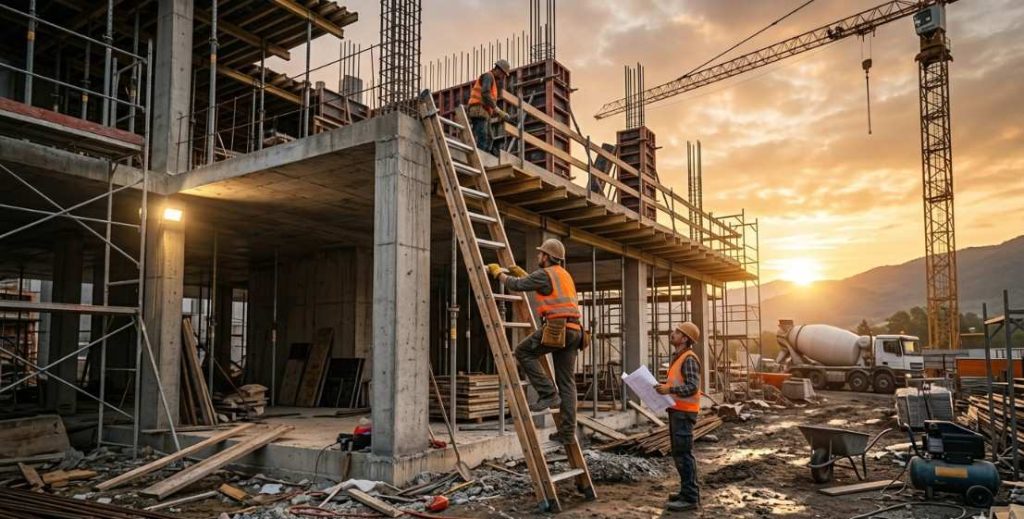
Ladders are one of the most commonly used tools in construction, maintenance, and everyday tasks. Yet, they’re often used far beyond their safe lifespan. Many accidents happen not because ladders fail suddenly, but because warning signs were ignored.
A ladder should be replaced immediately if it shows signs of structural damage, instability, or significant wear that cannot be repaired. When in doubt, it’s always safer to replace the ladder than to risk a fall. This guide will help you recognize those critical warning signs and make safer decisions.
Why Ladder Condition Matters More Than You Think
A ladder may appear fine, but hidden damage can lead to sudden failure. Ladder failures often lead to serious accidents because they involve working at height. Even minor defects can cause instability, resulting in falls that lead to injuries, downtime, and financial losses. Choosing the right equipment from a trusted ladder supplier helps reduce these risks by ensuring consistent structural safety during use.
Safety authorities emphasize that ladders must be removed from service immediately if defects are found. This approach prioritizes prevention rather than reacting after an incident occurs.
Key Signs You Should Replace Your Ladder
1. Damaged or Bent Side Rails
The side rails are the main support structure of your ladder and carry most of the load. Any damage here directly affects the ladder’s strength and reliability.
Warning signs:
- Bent or dented rails
- Warping or visible deformation
Why it matters:
Damaged rails indicate structural failure and can cause the ladder to buckle unexpectedly.
2. Loose, Wobbly, or Missing Rungs
Rungs are where your feet rest, so they must be completely stable at all times. Even slight movement can throw off your balance while climbing.
Watch for:
- Movement when stepped on
- Missing rungs
- Cracks or splits
Risk:
Even slight instability in rungs can lead to slips or falls.
3. Worn or Missing Feet
The feet of a ladder provide the grip needed to keep it stable on the ground. Without proper traction, the entire ladder becomes unsafe.
Check for:
- Smooth or worn-out rubber
- Cracks or uneven wear
- Missing foot pads
Why it’s dangerous:
Without proper traction, ladders can slip especially on smooth surfaces.
4. Defective Locking Mechanisms
Locking systems are critical for extension ladders, ensuring they stay securely in place during use. If they fail, the ladder can collapse without warning.
Replace immediately if:
- Locks don’t engage properly
- Mechanisms are rusted or jammed
- Sections fail to hold position
Real risk:
A faulty lock can cause the ladder to collapse while in use.
5. Rust, Corrosion, or Material Damage
Over time, exposure to moisture, chemicals, and weather can weaken ladder materials. This type of damage often spreads silently before becoming dangerous.
Common issues:
- Rust on metal ladders
- Corrosion at joints
- Surface weakening
Important:
Material damage reduces strength and increases the chance of sudden failure.
6. Cracks, Splits, or Rot
Structural damage is one of the most serious safety concerns in any ladder. Once cracks or rot appear, the ladder is no longer reliable.
Look for:
- Fiberglass cracks or fiber exposure (bloom)
- Wooden splitting or rot
- Visible fractures
Why it matters:
These issues can lead to sudden breakage without warning.
7. Missing or Unreadable Safety Labels
Safety labels provide essential information about how to use the ladder correctly. Without them, you’re essentially using the ladder blindly.
Labels include:
- Load capacity
- Usage instructions
- Safety standards
Risk:
If you can’t verify the ladder’s limits, it’s not safe to use.
8. Ladder Feels Unstable or Wobbly
A ladder should feel firm and balanced every time you climb it. Any unusual movement is a clear warning sign.
Replace it if:
- It rocks or shifts
- It leans unevenly
- It flexes under weight
Why it matters:
Instability increases the risk of falls, even during simple tasks.
9. After a Major Fall or Impact
Ladders can suffer internal damage after falling, even if no visible defects appear. This hidden damage can weaken the structure significantly.
Important to know:
- Damage may not be visible
- Structural integrity may be compromised
Best practice:
Always replace a ladder after a significant drop or impact.
Estimated Lifespan by Ladder Material
While usage matters more than age, here are general lifespan guidelines:
- Wooden ladders: 5–10 years (shorter in humid conditions)
- Aluminum ladders: 10–20 years (prone to bending)
- Fiberglass ladders: 10–20 years (durable but can crack over time)
Heavy use or harsh environments can significantly reduce these timelines. For site engineers and contractors working on structural layouts, the AFTON Aluminum double extension ladder is often preferred for consistent stability during routine site inspections and shuttering verification work.
Quick Ladder Inspection Checklist (Before Every Use)
Routine inspection is one of the most effective ways to ensure ladder safety. A simple visual check should be performed before each use.
Structural Inspection
- Check for bent rails or damaged rungs
- Ensure all components are intact
Hardware Inspection
- Look for loose screws, bolts, or rivets
- Confirm all connections are secure
Surface Condition
- Identify contamination such as paint, oil, or grease
- Ensure steps are not worn or slippery
Stability Check
- Place the ladder on a flat surface
- Ensure it does not rock or wobble
If any of these issues are present, the ladder should not be used until it is repaired or replaced. In most cases involving structural defects, replacement is the safer option.
Repair vs Replace: What Should You Do?
Understanding when to repair and when to replace is important for safety and cost management.
When Repair May Be Acceptable
- Replacing non-structural parts such as feet
- Cleaning contaminants from surfaces
- Tightening minor hardware
When Replacement Is Necessary
- Bent or cracked side rails
- Loose or missing rungs
- Faulty locking systems
- Severe corrosion or material degradation
If the ladder’s structural integrity is affected, replacement is mandatory. When flexibility and adjustable height access are required on active construction sites, upgrading to solutions like the AFTON Telescopic dual purpose ladder can significantly improve safety and efficiency compared to repeatedly repairing older equipment.
Case Example: Real World Failure Scenario
Consider a construction site where an aluminum ladder had slightly worn feet and minor rail bending. The defects were ignored because they appeared insignificant.
During routine work:
- The ladder slipped on a smooth surface
- The worker fell from height
- The incident caused injury and halted operations
Investigation revealed that worn feet reduced traction while bent rails compromised stability. This case highlights how small warning signs can lead to serious consequences.
AI Overview
Learn when to replace a ladder by spotting key warning signs like bent rails, loose rungs, worn feet, and corrosion. Ensure safety with proper inspection, lifespan insights, and expert recommendations.
FAQs
When should a ladder be replaced?
A ladder should be replaced when it shows structural damage such as bent rails, loose rungs, or worn feet.
What is the 4 rule for ladders?
The 4 rule refers to maintaining proper ladder positioning for safe use during climbing tasks. It is commonly associated with ensuring correct angle and stability to prevent falls.
What is the 4:1 rule?
The 4:1 rule means placing the ladder 1 foot away from the wall for every 4 feet of height. This angle provides optimal balance and reduces the risk of tipping or slipping.
What is the lifespan of a ladder?
The lifespan depends on material, usage, and maintenance, typically ranging from 5 to 20 years. Regular inspections are essential since damage can require replacement earlier.
Conclusion
Replacing a ladder at the right time is essential for maintaining safety and preventing serious accidents. Structural damage, instability, and material wear are clear indicators that a ladder is no longer reliable.I
Regular inspections, understanding material lifespan, and following safety standards help ensure that ladders remain dependable during use. A proactive approach not only protects workers but also improves overall efficiency and compliance in any work environment.
Ready to Work Safely at Every Height?
Choosing the right ladder and replacing it when necessary is a critical step toward safer and more efficient operations. For reliable equipment and trusted industrial solutions, Abul Fazl Trading continues to support professionals with quality products that ensure safety, durability, and performance in every project.
Contact our ladder safety experts for professional guidance, high-quality equipment, and reliable solutions that ensure safe and efficient work at every height.
Additional Practical Guides for Construction Site Safety
- A Complete Guide to Different Types of Ladders & Their Uses: Know the right ladder for every job and height safely
- Choosing the Right Ladder for UAE Construction & Maintenance: Safe and reliable access solutions for every elevated task.
- Step Ladder vs Extension Ladder: Choosing the Right Tool?: Compare step and extension ladders to pick the safest and most efficient option.
- Aluminum vs Fiberglass Ladders: Which is Better?: Compare materials to choose the safest and most durable ladder
- What Is a Cat Ladder ? Essential Guide and Uses: A complete guide to cat ladders, their uses, benefits, and safe access solutions.