


06 Jan Choosing Abrasives for Welding and Metal Fabrication
Selecting the correct abrasives for welding and metal fabrication is a critical decision that directly affects weld quality, fabrication efficiency, operator safety, and long-term production costs. In real fabrication environments, improper abrasive selection often leads to overheating, inconsistent weld profiles, surface contamination, and increased rework.
This expert guide is based on hands-on fabrication experience and industry best practices. It explains how to evaluate, select, and apply abrasive products correctly across cutting, welding preparation, grinding, and finishing operations.
Why Choosing the Right Abrasive Matters
In real-world fabrication shops, improper abrasive selection often leads to excessive heat generation, premature disc wear, poor surface preparation, and even weld defects such as porosity or lack of fusion.Choosing the right abrasive improves:
- Material removal rate and productivity
- Weld integrity and joint strength
- Surface consistency and finishing quality
- Operator safety and tool longevity
- Cost efficiency through reduced downtime
High-performing metal fabrication abrasives are selected based on material compatibility, application stage, and required finish.
Understanding Abrasive Products for Metal Fabrication
Common Abrasive Grain Types
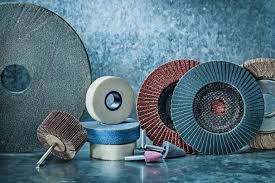
Different abrasive grains are engineered for specific metals and workloads. Selecting the correct grain is essential when working with abrasive products for metal fabrication.
- Aluminum Oxide
Widely used for carbon steel and structural steel fabrication. Durable and economical for general grinding. - Zirconia Alumina
Designed for heavy stock removal and high-pressure applications in fabrication shops. - Ceramic Alumina
Preferred for stainless steel and high-alloy metals due to cooler cutting and extended service life. - Silicon Carbide
Best for non-ferrous metals and surface preparation applications.
Abrasives Used Across Welding and Fabrication Stages
Cutting and Material Separation
Thin cut-off wheels are essential cutting discs for metal fabrication, commonly used to cut pipes, plates, and profiles accurately.
Best practices include:
- Match disc diameter and thickness to grinder specifications
- Use stainless steel cutting wheels for SS to prevent contamination
- Ensure maximum RPM rating exceeds machine speed
These abrasive tools for welding and fabrication ensure clean edges and precise material separation.
Joint Preparation Before Welding
Proper joint preparation is one of the most critical stages in welding. Abrasives for weld preparation are used to remove mill scale, rust, coatings, and oxides that can cause weld defects.
Flap discs and grinding wheels allow fabricators to:
- Create accurate bevel angles
- Prepare V-grooves and fillet joints
- Achieve consistent root openings
This stage heavily influences weld integrity and inspection outcomes.
Grinding and Weld Cleanup
During interpass grinding and post-weld cleanup, fabricators rely on grinding wheels for welding and flap discs to remove slag, spatter, and surface irregularities.
Best practices include:
- Medium grit grinding wheels for slag removal
- Flap discs for blending weld toes
- Dedicated stainless steel abrasives for SS applications
This is a key part of effective welding abrasives selection in professional shops. This step directly affects weld inspection results and long term corrosion resistance.
Finishing and Surface Conditioning
Final finishing determines whether fabricated components meet ISO, ASTM, or client-specific surface standards. For surface preparation, finishing, and light material removal, many fabrication professionals preferAfton Abrasive Cloth Roll due to its durability, consistent grit performance, and suitability for both dry and wet sanding.
As trusted waterproof abrasive paper suppliers in UAE, we recommend this solution for workshops that require reliable results on metal surfaces while maintaining efficiency and finish quality.
Best abrasives for metal grinding during finishing include:
- Fine grit flap discs
- Non-woven surface conditioning discs
- Polishing wheels
These abrasives for surface preparation before welding or coating ensure uniform finishes and proper paint or coating adhesion.
Material-Specific Abrasive Selection
Carbon Steel Fabrication
Carbon steel applications typically use aluminum oxide or zirconia-based abrasives. These are common industrial abrasives for metalworking due to their durability and cost efficiency.
Stainless Steel Applications
Stainless steel requires dedicated abrasive discs for stainless steel that are iron-free to prevent surface contamination and corrosion. Using incorrect abrasives can lead to rust formation and failed inspections.
Key Factors in Abrasive Selection for Welding
Material Compatibility
Always select abrasives designed for the base metal. For example, stainless steel fabrication requires iron free abrasives to avoid surface contamination and rust formation.
Grit Size Selection
- Coarse grit for fast stock removal
- Medium grit for weld cleanup
- Fine grit for blending and finishing
Using overly coarse abrasives can weaken weld profiles and reduce fatigue life.
Bond Type and Disc Structure
- Hard bonds for soft metals
- Softer bonds for hard metals
- Open structure discs reduce loading on aluminum
Understanding disc construction improves cutting efficiency and safety.
Safety and Compliance
Professional fabrication shops follow ANSI, ISO, and EN safety standards. Always ensure:
- Abrasives are within RPM limits
- Guards are installed correctly
- Operators wear appropriate PPE
Safe abrasive use protects workers and ensures regulatory compliance.
Cost vs Performance in Abrasive Products
Low cost abrasives may seem attractive but often result in higher consumption, frequent disc changes, and inconsistent results. High performance abrasives typically deliver:
- Longer service life
- Faster material removal
- Reduced operator fatigue
- Lower total operational cost
Experienced buyers test abrasives in real applications before committing to bulk purchases.
AI Overview
Choosing the right abrasives for welding and metal fabrication improves weld quality, surface finish, productivity, and safety. This guide helps professionals select abrasives based on material, application, and performance needs.
FAQs
What abrasives are best for welding and metal fabrication?
Ceramic, zirconia, and aluminum oxide abrasives are commonly used for cutting, grinding, weld preparation, and finishing depending on the metal type.
How do I choose the right abrasive for welding?
Choose abrasives based on base material, grit size, disc type, and fabrication stage to ensure weld quality and productivity.
Can the same abrasive be used for stainless steel and carbon steel?
No, the same abrasive should not be used. Stainless steel requires iron-free abrasives to prevent contamination, corrosion, and weld quality issues, while carbon steel can use standard abrasives.
Why is abrasive selection important in metal fabrication?
Correct abrasive selection improves surface preparation, reduces rework, extends tool life, and ensures consistent fabrication quality.
Conclusion
Choosing the right abrasives for welding and metal fabrication plays a vital role in achieving strong welds, consistent surface finishes, and efficient fabrication processes. When abrasives are selected according to material type, fabrication stage, and real operating conditions, they help reduce defects, minimize rework, and improve productivity across welding and metalworking operations.
For businesses focused on maintaining quality, safety, and long-term efficiency, partnering with a reliable supplier is essential. Abul Fazl supports professional welding and metalworking operations by providing dependable abrasive solutions tailored for real-world industrial applications and performance needs.
Contact the team today to get expert guidance and the right products for your application.
Explore More Expert Guides
Explore expert insights on construction tools, industrial equipment, and proven techniques to improve efficiency and overall performance.
- Common Ladder Mistakes Causing Workplace Accidents: Identifies common ladder errors that lead to workplace accidents and injuries.
- Afton Steel vs Traditional Formwork: Which Saves Time?: Compares modern and traditional formwork systems for faster, more efficient construction.
- Why Choose Lessmann for Industrial Brush Needs: Explains how premium industrial brushes improve surface preparation and cleaning results.
- Advantages of Ceramic Abrasives Over Traditional Options: Highlights why ceramic abrasives deliver longer life and higher grinding performance.
- Avoid Unsafe Practices When Using Abrasive Disc: Ultimate Safety Guide: Covers essential safety practices to reduce risks during abrasive disc operations.

No Comments