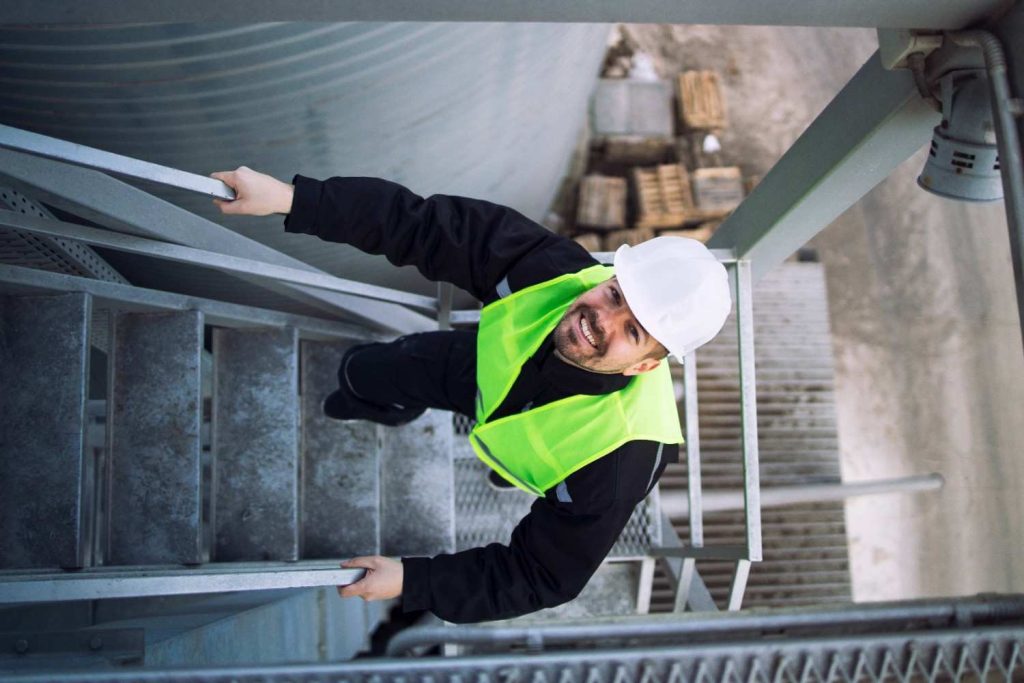
For many workers, ladders are part of everyday life on the job. Whether fixing equipment, installing materials, or performing routine maintenance, climbing a ladder often feels like a normal task rather than a risky one.
Unfortunately, this familiarity can lead to common ladder mistakes that result in serious workplace accidents, often affecting workers who never expected to get hurt.
Why Ladder Safety Matters in the Workplace
A fall from a ladder can change a worker’s life in seconds. Injuries often include broken bones, head trauma, and long recovery periods that impact income and job security.
Focusing on ladder safety is not just about rules or compliance. It is about protecting workers, their families, and their ability to return home safely every day.
Common Ladder Mistakes in the Workplace
Many ladder-related injuries follow similar patterns across industries. Recognizing these mistakes early allows workers and employers to reduce risks before an accident occurs.
Below are the most frequent ladder mistakes that contribute to falls and injuries in the workplace.
Using the Wrong Type of Ladder
Choosing the wrong ladder for a task is a common cause of falls in the workplace. When a ladder is too short, not rated for the load, or not designed for the environment, users are forced into unsafe positions.
This mistake often leads to loss of balance, overreaching, and increased risk of serious falls, especially when ladders are used outside their intended purpose.
If workers are unsure which equipment is appropriate, reviewing professionally rated ladders designed for workplace use can help them choose safer options.
Improper Ladder Setup and Poor Placement
Improper ladder setup includes placing ladders at incorrect angles or failing to secure them properly before use. Extension ladders that are not positioned correctly can easily slip or shift.
Poor ladder placement, such as setting ladders on uneven ground, slippery surfaces, or cluttered areas, further increases the risk of falls and workplace injuries.
Skipping Ladder Inspections
When ladders are used daily, inspections are often overlooked. Damaged rungs, loose hardware, or worn feet can cause sudden failure.
Routine ladder inspection allows hazards to be identified before someone gets hurt.
Overreaching While Working on Ladders
Overreaching on ladders happens when workers try to finish a task without climbing down. Leaning too far throws off balance and increases fall risk.
Taking a moment to reposition the ladder is far safer than risking a fall.
Standing on the Top Rung
Standing on the top rung may seem harmless, but it removes stability and control. The top rung is not designed for safe working positions.
This mistake is frequently noted in accident investigations involving ladder falls.
Not Maintaining Three Points of Contact
Failing to keep three points of contact reduces stability while climbing or working. Even a small slip can quickly turn into a serious fall.
Maintaining proper contact improves balance and control at all times.
Carrying Tools While Climbing
Carrying tools or materials while climbing limits grip strength and balance. This increases the risk of losing control.
Workers can reduce this risk by using safety products that support fall prevention instead of carrying items by hand.
Working Near Electrical Hazards
Using metal ladders near energized equipment creates a serious hazard. Electrical contact can lead to severe injury or fatal outcomes.
Nonconductive ladders should always be used when electrical risks are present.
Lack of Ladder Safety Training
Many ladder accidents at work involve workers who were never properly trained. Without guidance, safety rules are misunderstood or ignored.
Regular training helps workers recognize hazards and make safer decisions on the job.
Rushing and Ignoring Safety Procedures
Work pressure and tight deadlines often push workers to rush. Shortcuts may seem minor but can quickly lead to serious injuries.
A safety-focused work culture helps reduce risky behavior.
OSHA Ladder Safety Requirements
OSHA ladder safety standards outline clear rules for ladder use, inspection, and training. Employers are responsible for enforcing these requirements.
Following these standards reduces injuries and legal risks.
How to Prevent Ladder Accidents
To prevent ladder accidents, workplaces must provide proper equipment, consistent training, and realistic timelines. Workers should feel supported when taking time to work safely.
Safety improves when prevention is treated as a shared responsibility.
AI Overview
Common ladder mistakes cause workplace accidents through poor placement, wrong ladder types, and unsafe practices. Discover practical ways to reduce ladder fall risks and improve safety at work.
Frequently Asked Questions
What’s the most common cause of ladder accidents?
The most common cause of ladder accidents is improper setup and placement, including using the wrong ladder or placing it on uneven ground. These issues often cause ladders to slip or tip unexpectedly.
What is the 4 rule for ladders?
The 4 rule for ladders means placing an extension ladder one foot away from the wall for every four feet of height. This angle helps maintain balance and reduces the risk of the ladder sliding.
What are the top 10 causes of accidents in the workplace?
Common causes include slips and falls, ladder accidents, improper equipment use, poor training, unsafe conditions, rushing tasks, fatigue, lack of PPE, electrical hazards, and manual handling injuries.
How can ladder accidents be prevented in the workplace?
Ladder accidents can be prevented by using the correct ladder, placing it securely, inspecting it before use, and providing proper safety training. Consistent safety practices greatly reduce fall risks.
Conclusion
Most ladder accidents are preventable when the right equipment is used correctly and safety steps are not rushed. Small improvements in ladder selection, placement, and awareness can make a meaningful difference on job sites.
For businesses aiming to improve safety and reliability, choosing trusted ladders and safety essentials matters. Abul Fazl supports safer workplaces by making it easier to access quality equipment suited for professional use.
Explore More Expert Guides
Discover expert guides on construction tools, industrial equipment, and project techniques to boost efficiency and performance.
- Afton Steel vs Traditional Formwork: Which Saves Time?: A quick comparison of steel and traditional formwork for faster construction decisions.
- Why Choose Lessmann for Industrial Brush Needs: Learn why Lessmann brushes are trusted for industrial performance and durability.
- Understanding Abrasives: What They Are & How to Choose: A simple guide to abrasives and how to choose the right type.
- Tips for Choosing the Right Abrasive Supplier in UAE: Key tips to help you select a reliable abrasive supplier in the UAE.
- Avoid Unsafe Practices When Using Abrasive Disc: Common abrasive disc mistakes and how to avoid them.